
The Nine Parks and Monuments

Casa Grande Ruins National Monument
The structure's stood for 700 years. ADNPP helps Casa Grande Ruins understand and share the story of the civilization that built it.
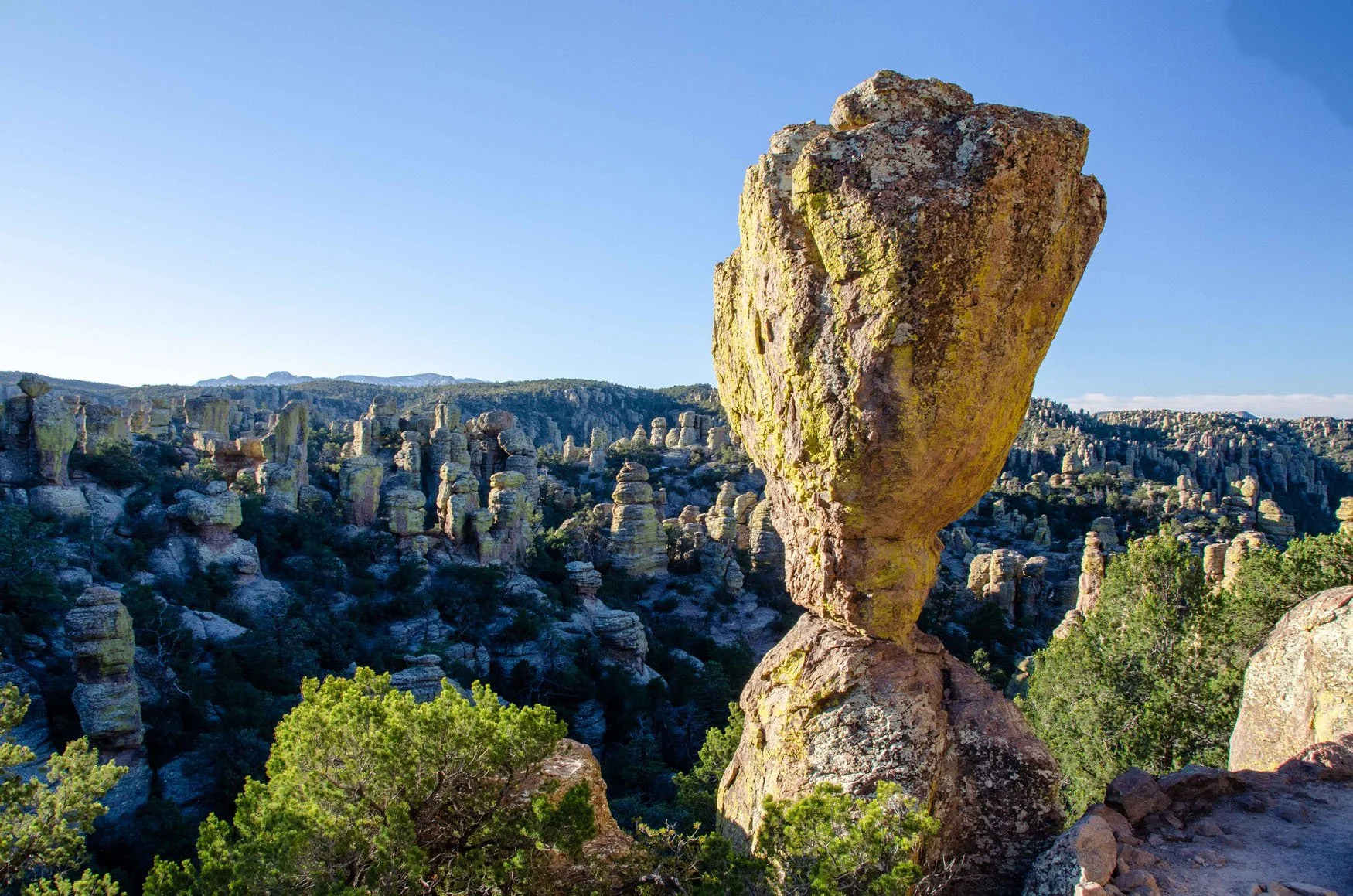
Chiricahua National Park
Impossible rock formations rise above a landscape of sacred significance—a place where geology, ecology, and cultural meaning converge.
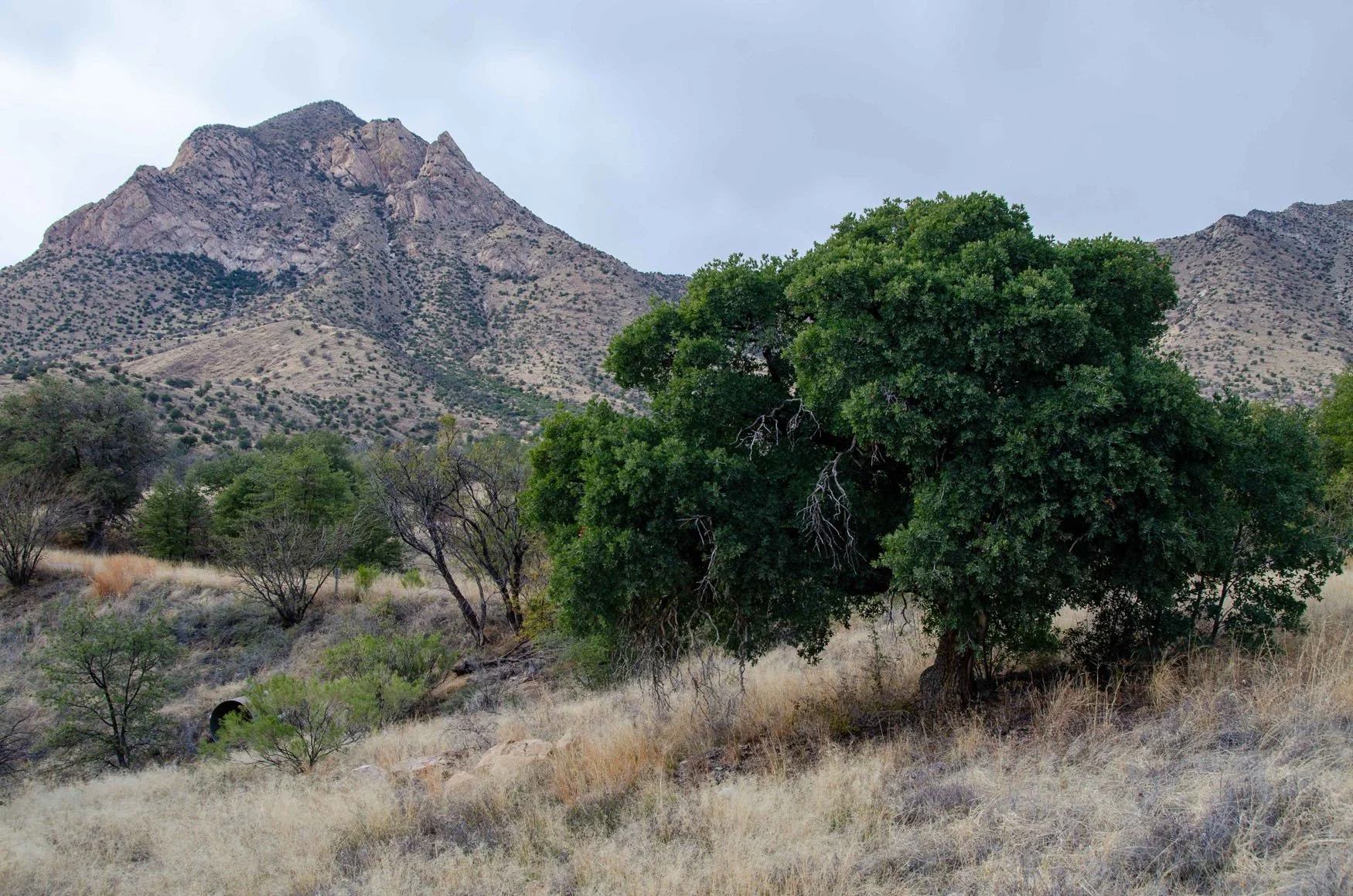
Coronado National Memorial
In 1540, Francisco Vásquez de Coronado led one of Spain's most ambitious expeditions into the American Southwest, a journey that reshaped the region's history.

Fort Bowie National Historical Site
Built to occupy Apache Pass and enforce U.S. expansion, Fort Bowie tells the story of military strategy, Apache resistance, and the complex history of how the American Southwest was claimed and contested.
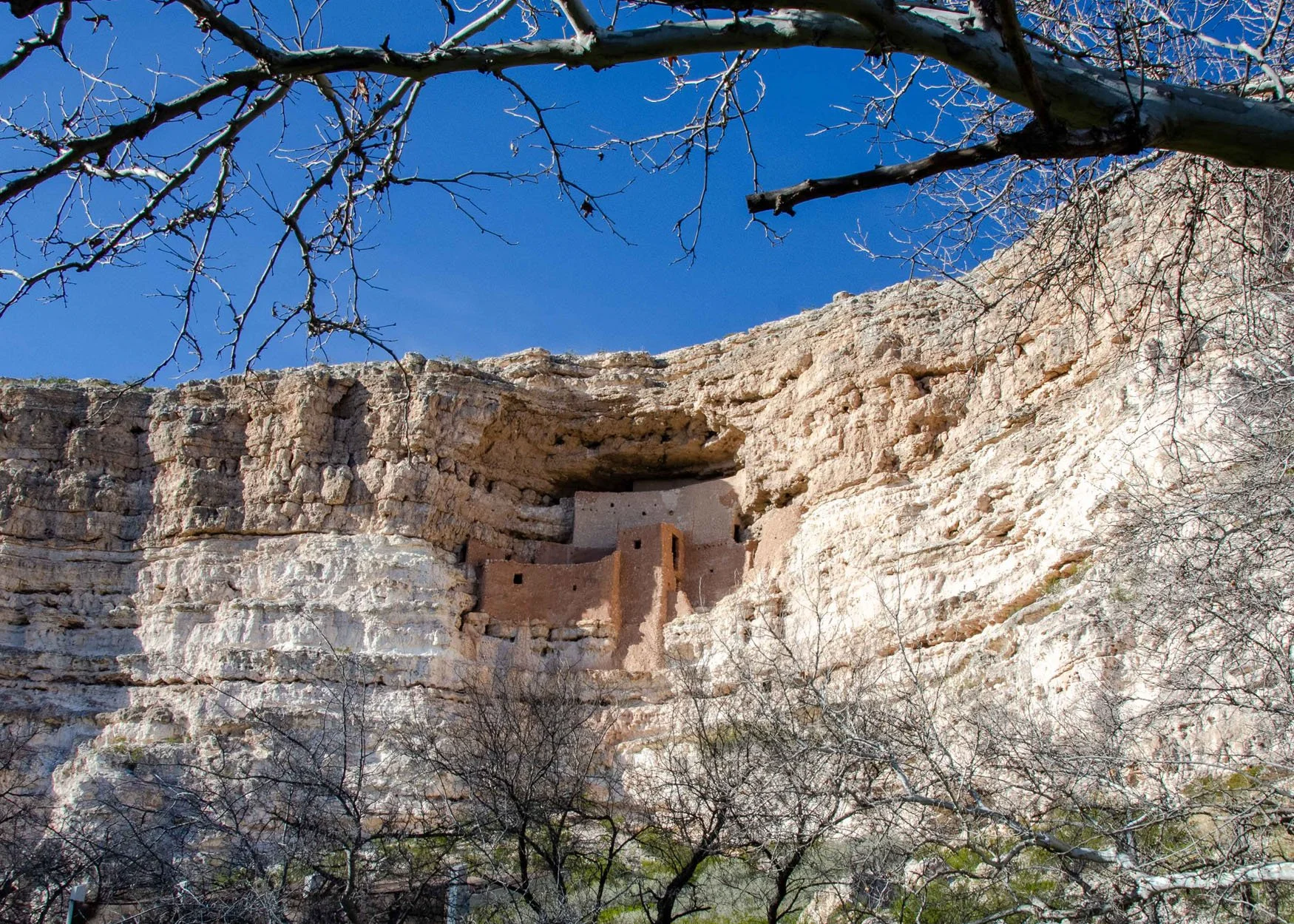
Montezuma Castle National Monument
A five-story cliff dwelling rises from limestone, built by the Sinagua people that has endured centuries—a monument to their engineering brilliance and the sophisticated irrigation system that sustained them.
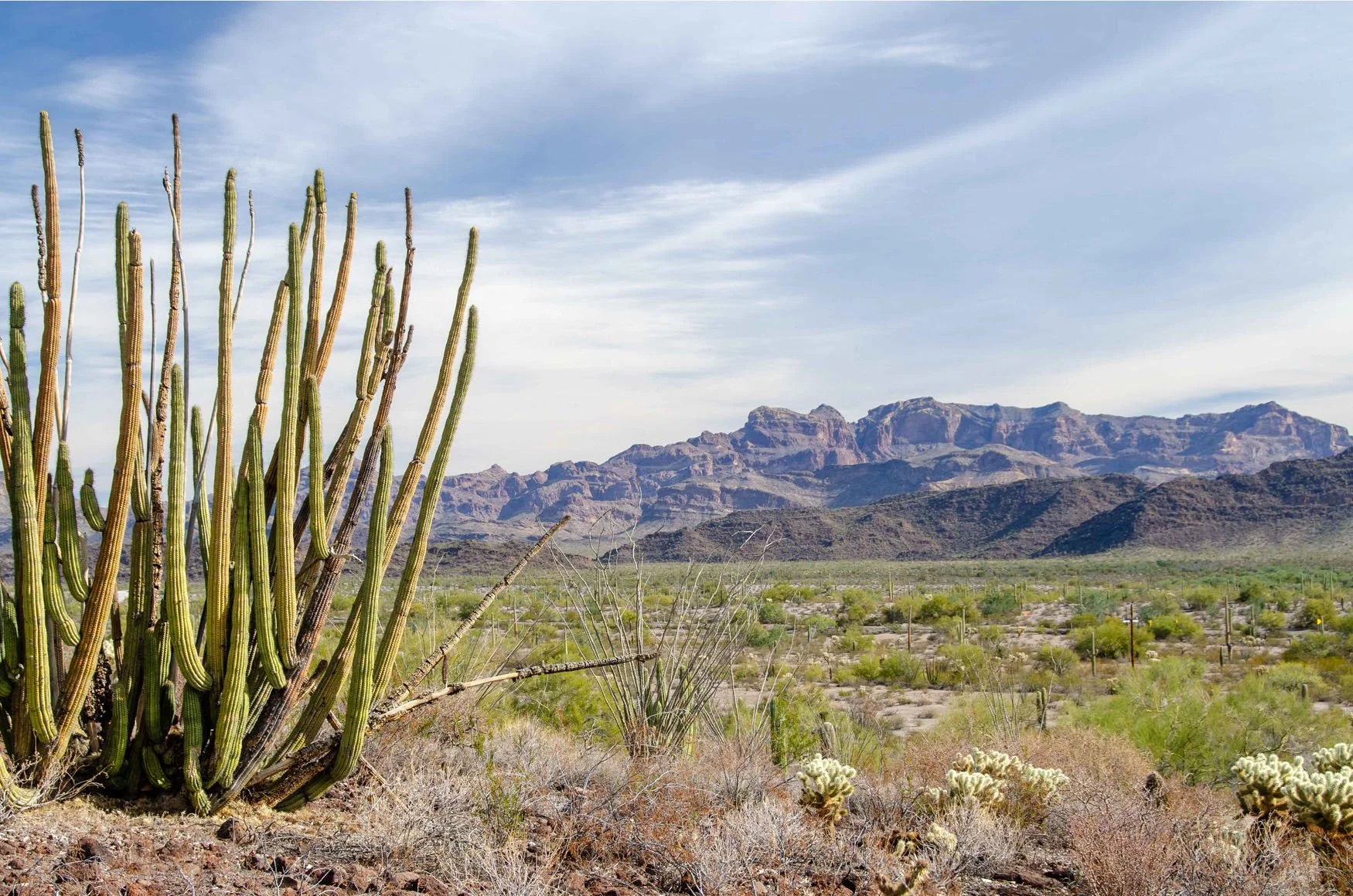
Organ Pipe Cactus National Monument
Organ Pipe Cactus protects North America's largest concentration of organ pipe cacti in a UNESCO-designated Biosphere Reserve—a landscape that holds deep significance as ancestral homeland of the Tohono O'odham people.
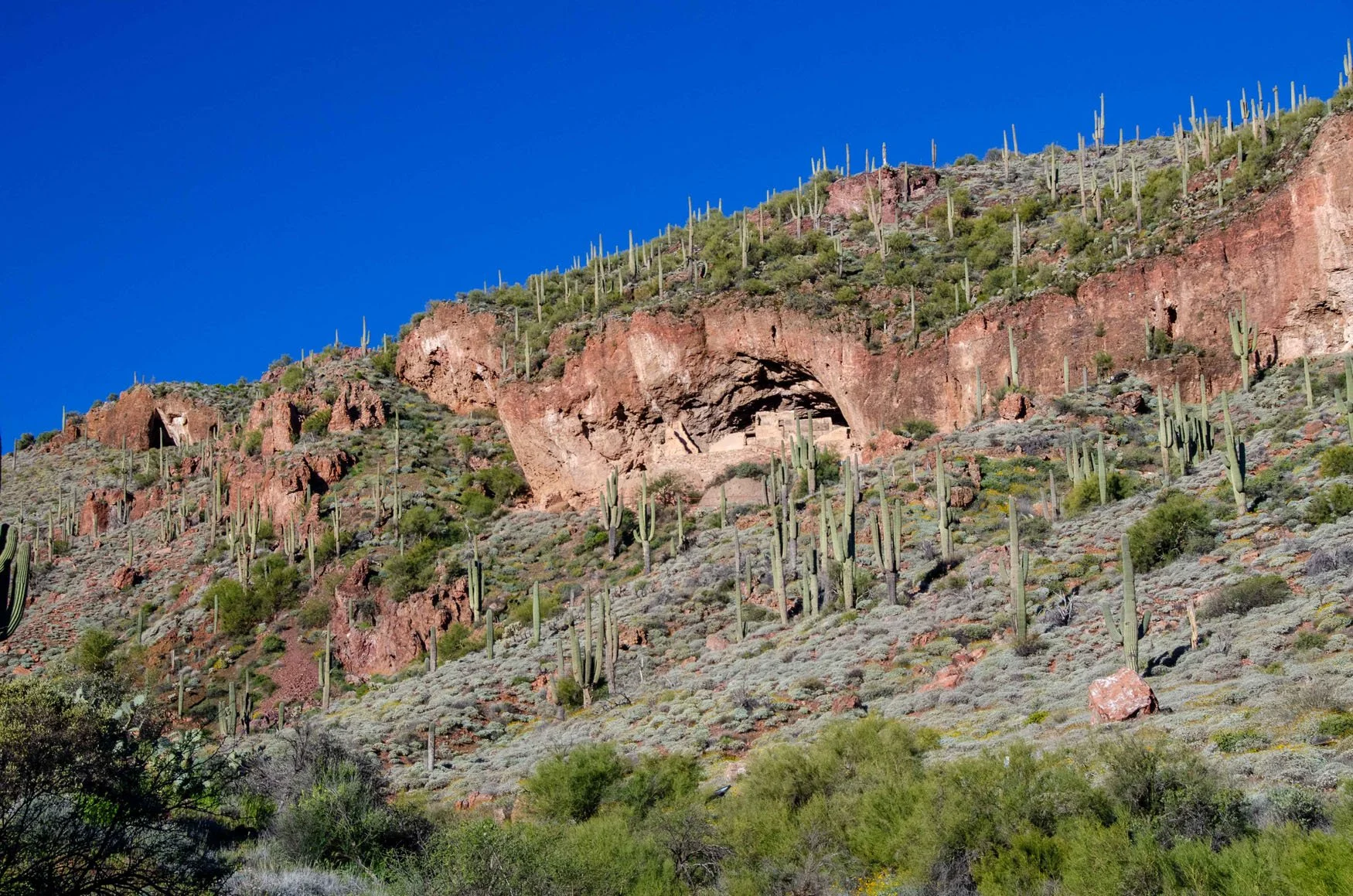
Tonto National Monument
Two remarkable cliff dwellings rise from above present-day Lake Roosevelt, built by the Salado people—a culture that emerged from the meeting of local and immigrant groups seeking to thrive in this landscape

Tumacácori National Historical Park
Tumacácori's mission sits along the Santa Cruz River in a landscape where Spanish colonial history, Indigenous presence, and nature intersect—a place that tells the story of cultural encounter in the American borderlands
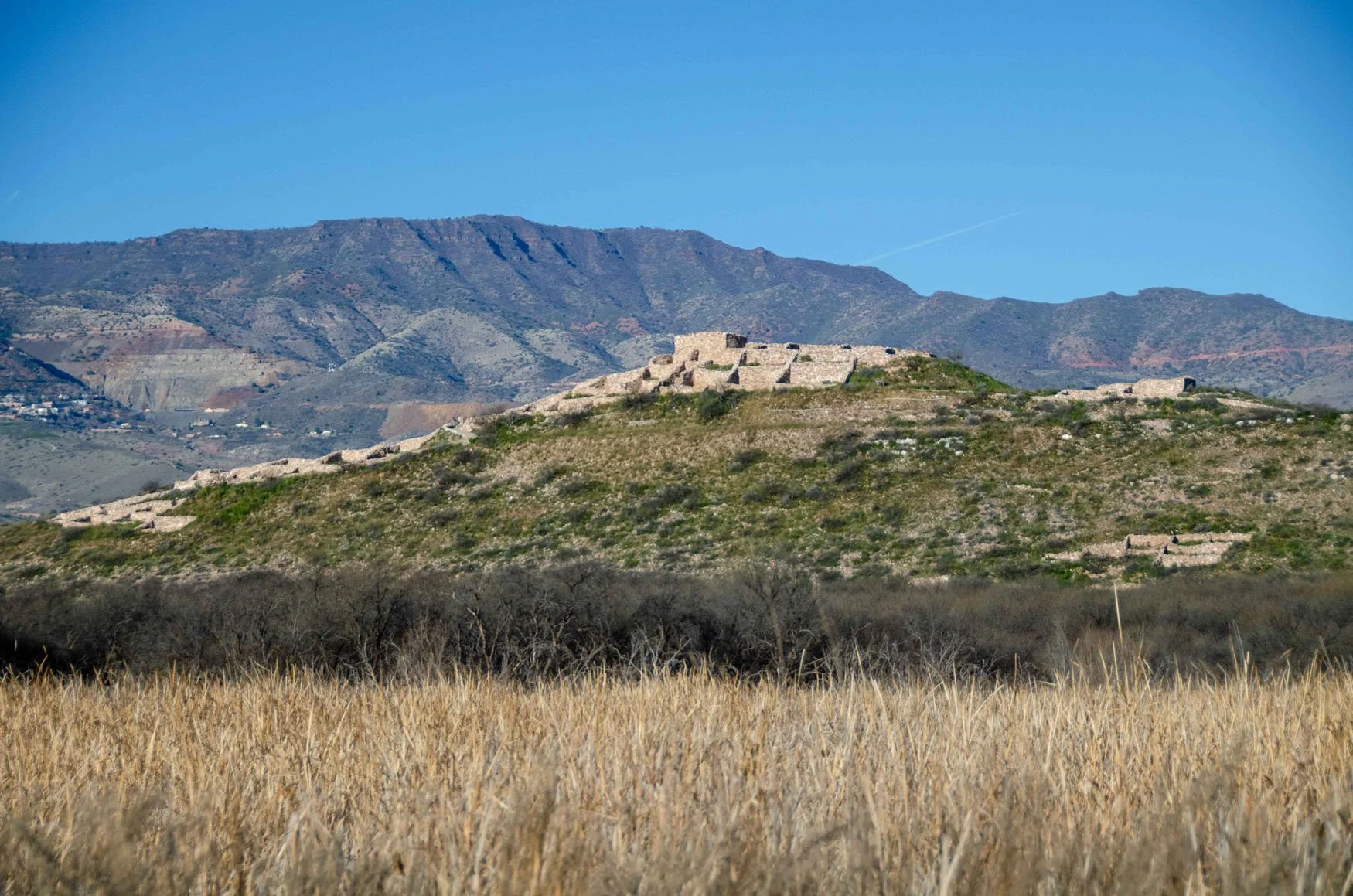
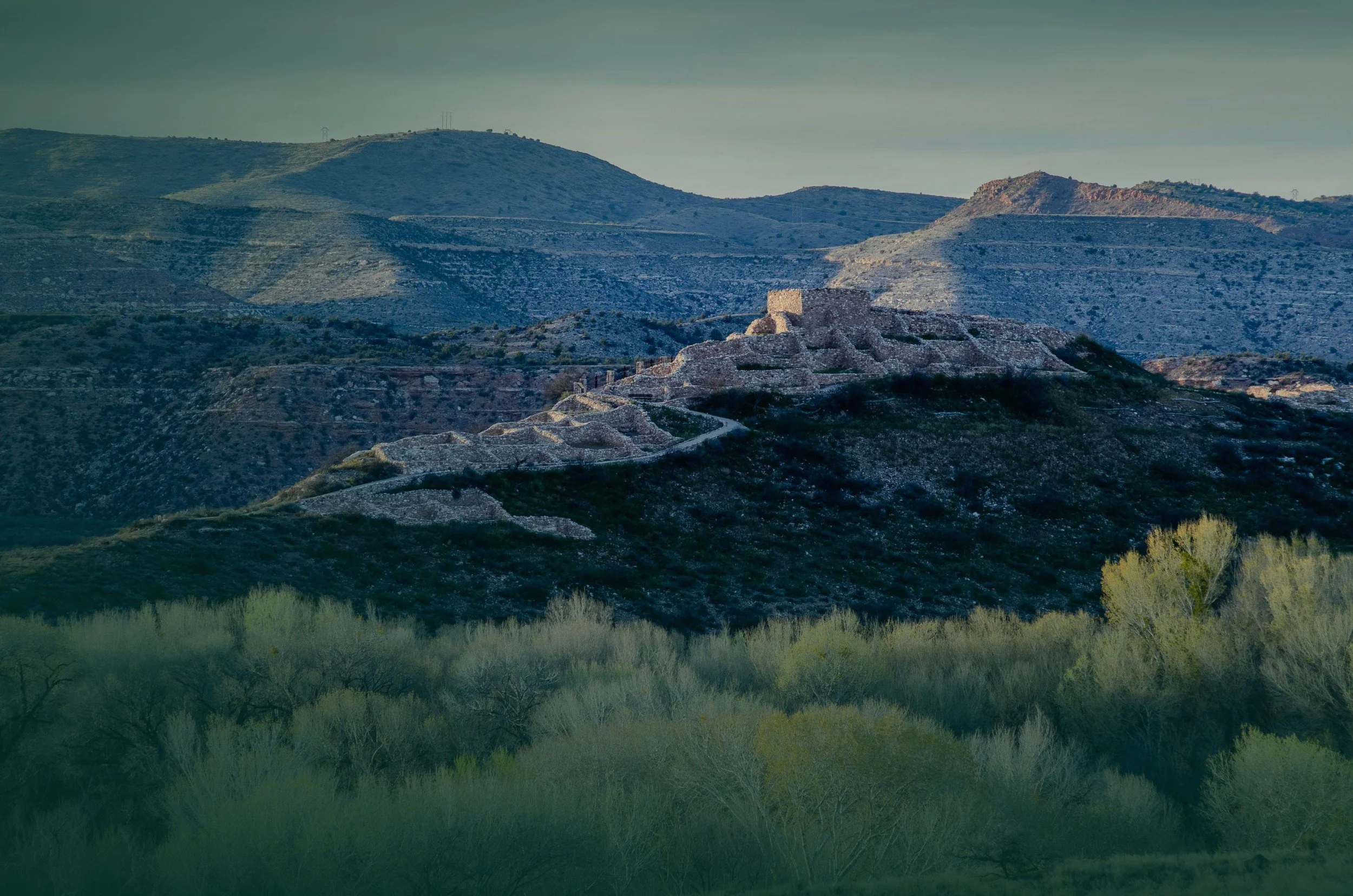
Tuzigoot National Monument
From its ridge-top perch above the Verde Valley, Tuzigoot's 110-room pueblo reveals the Sinagua people who lived here between 1100 and 1400 CE—a site reconstructed in the 1930s and preserved so visitors can walk through rooms.