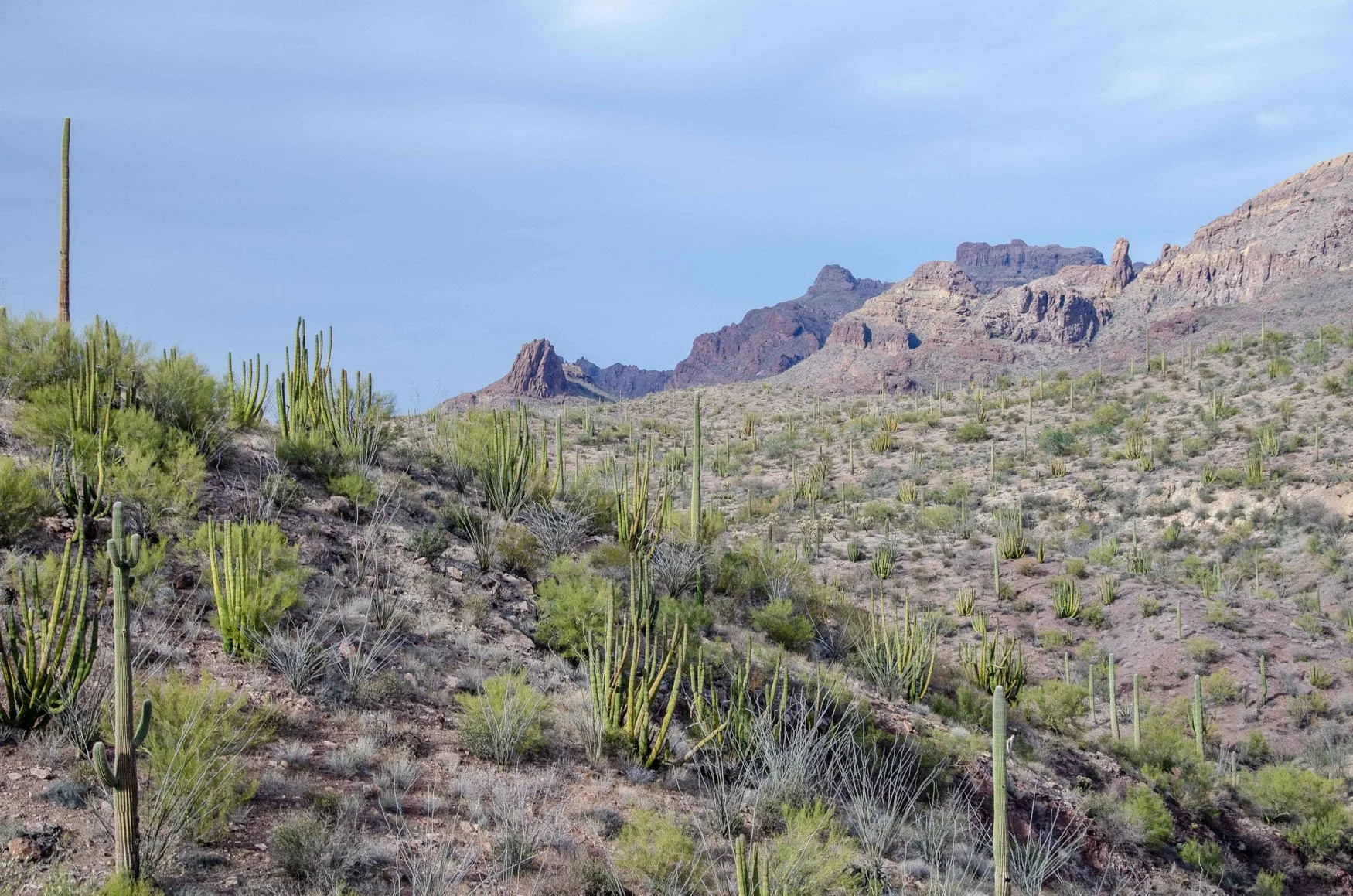
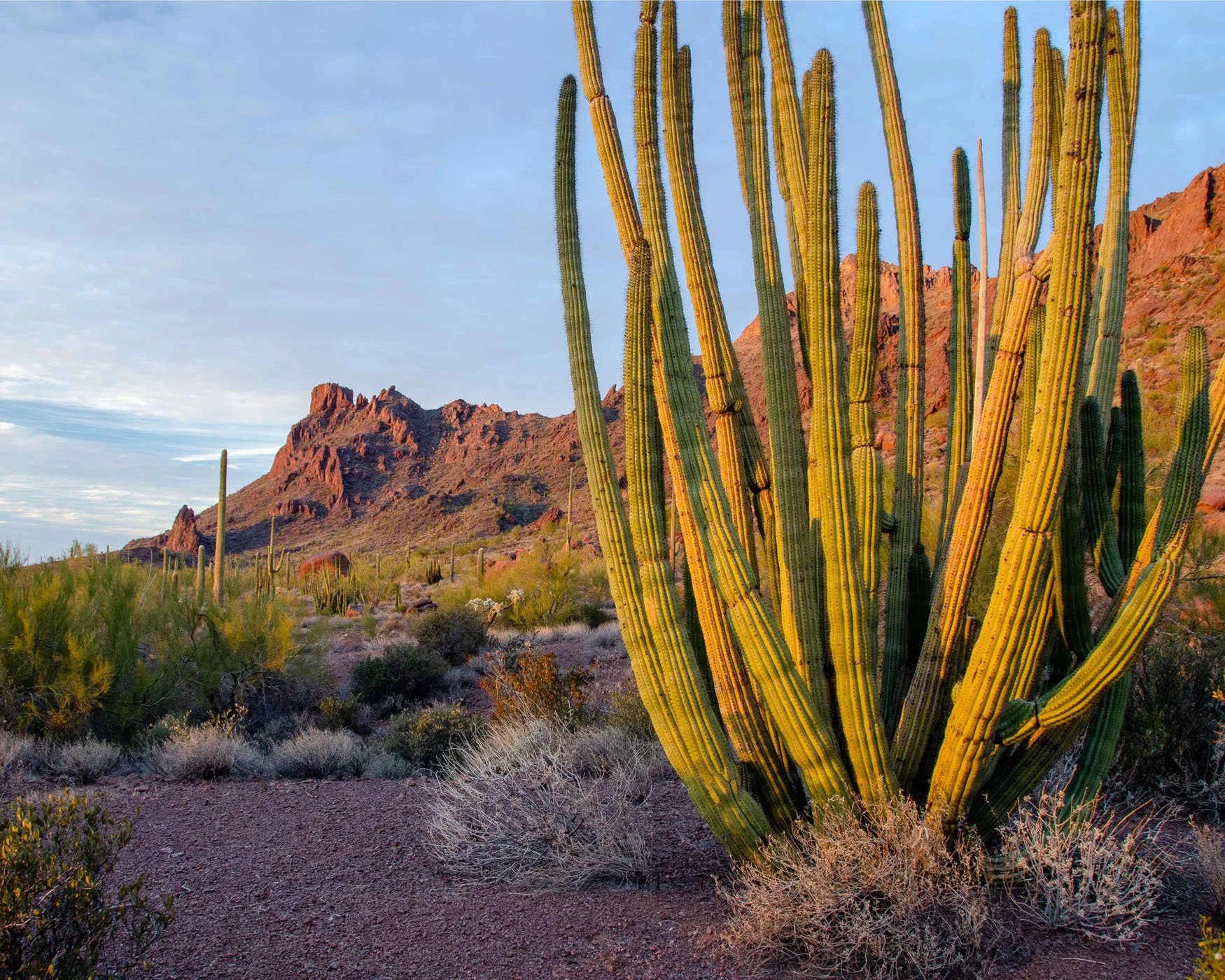
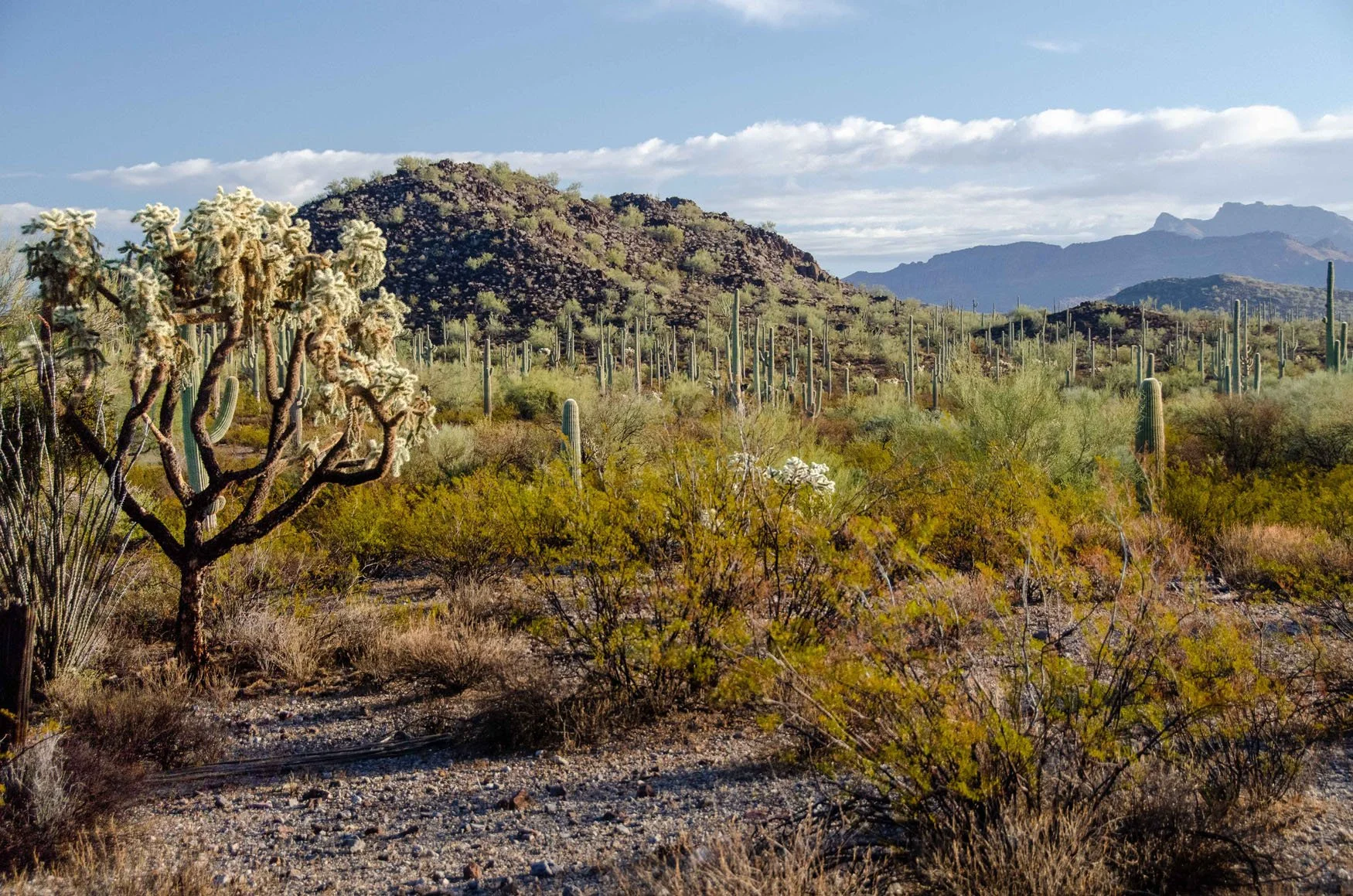
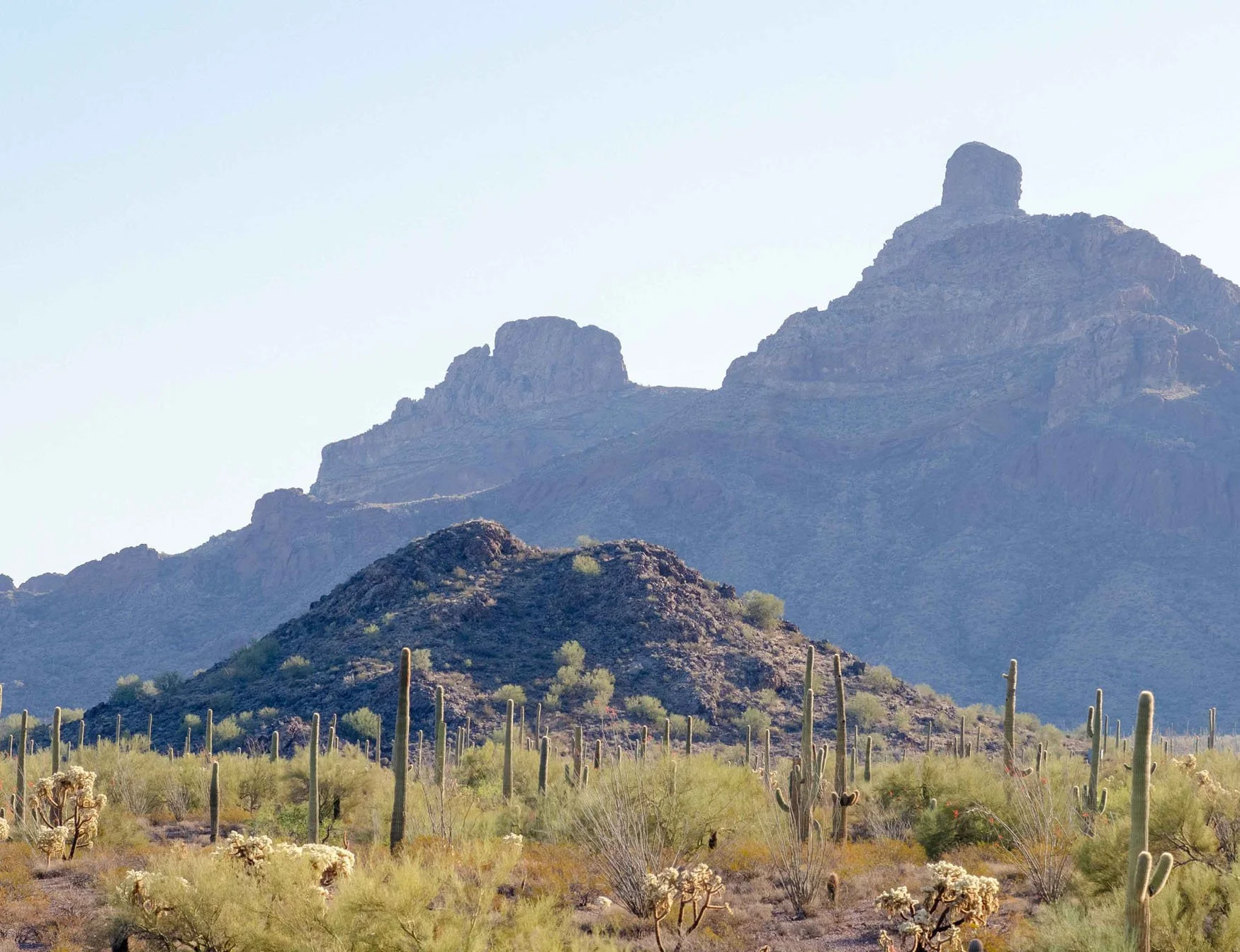
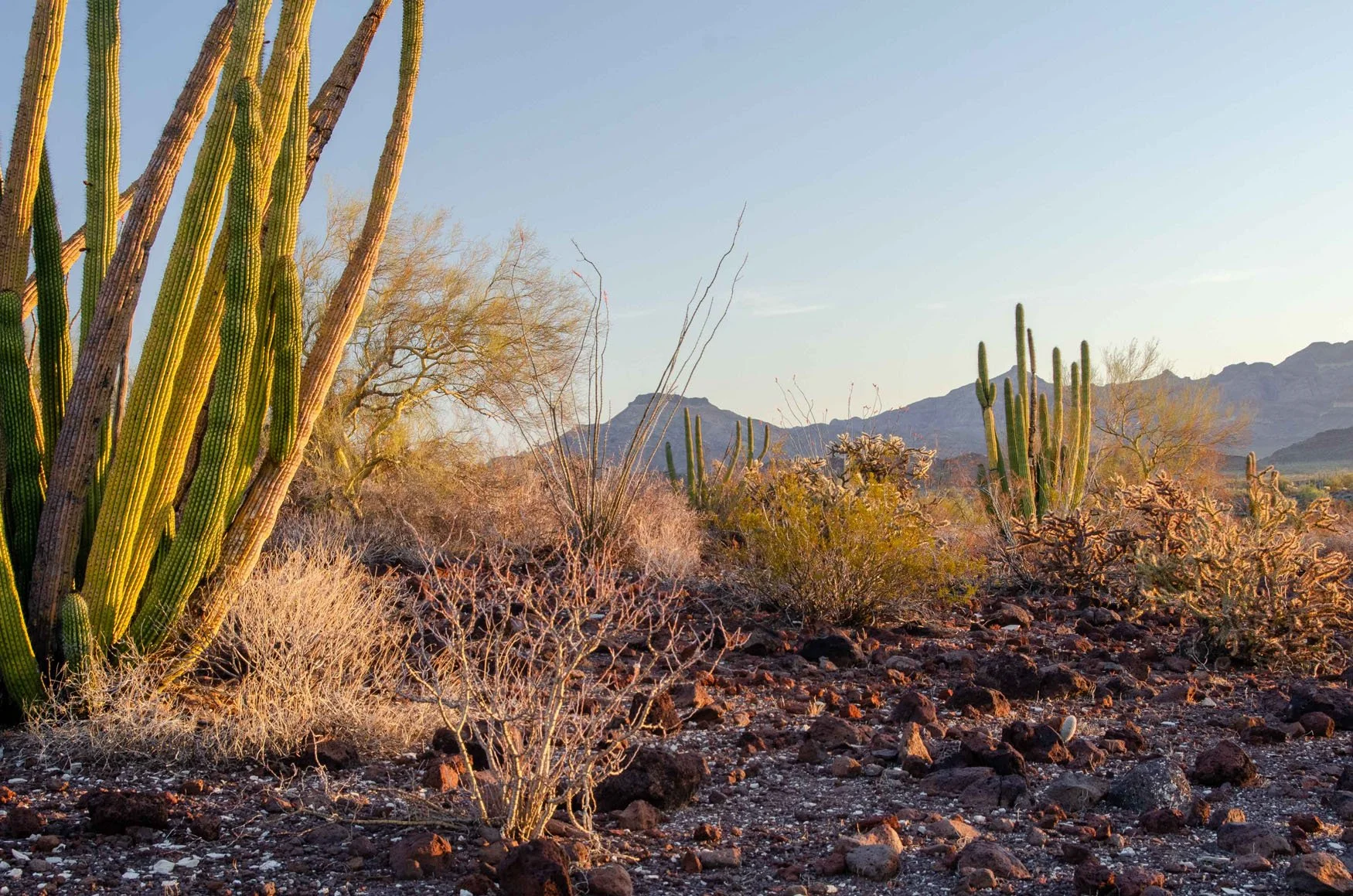
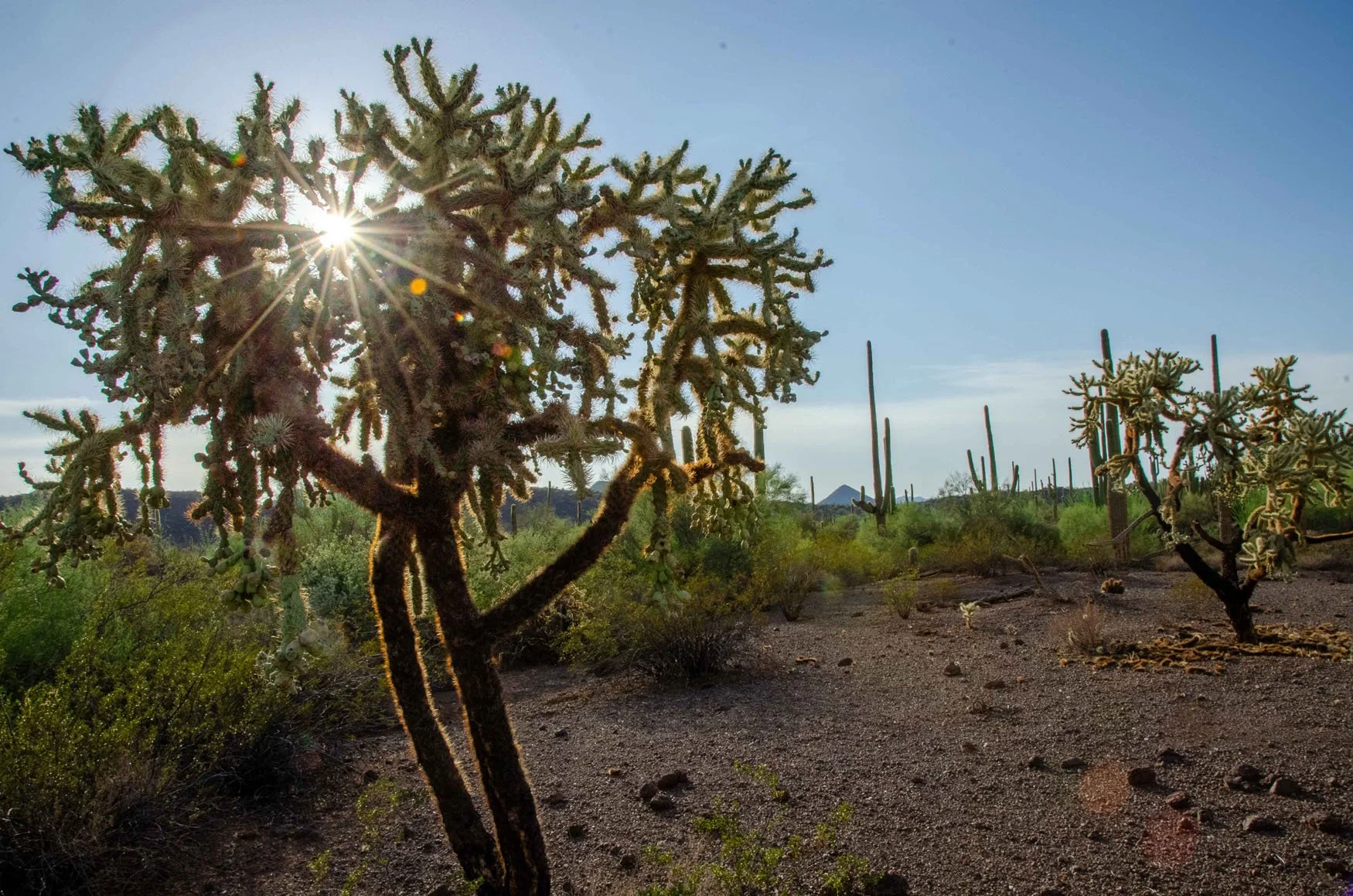
Organ Pipe Cactus protects North America's largest concentration of organ pipe cacti in a UNESCO-designated Biosphere Reserve—a landscape that holds deep significance as ancestral homeland of the Tohono O'odham people.

Quick Facts
Location: Southwestern Arizona, along the U.S.–Mexico border
Established 1937
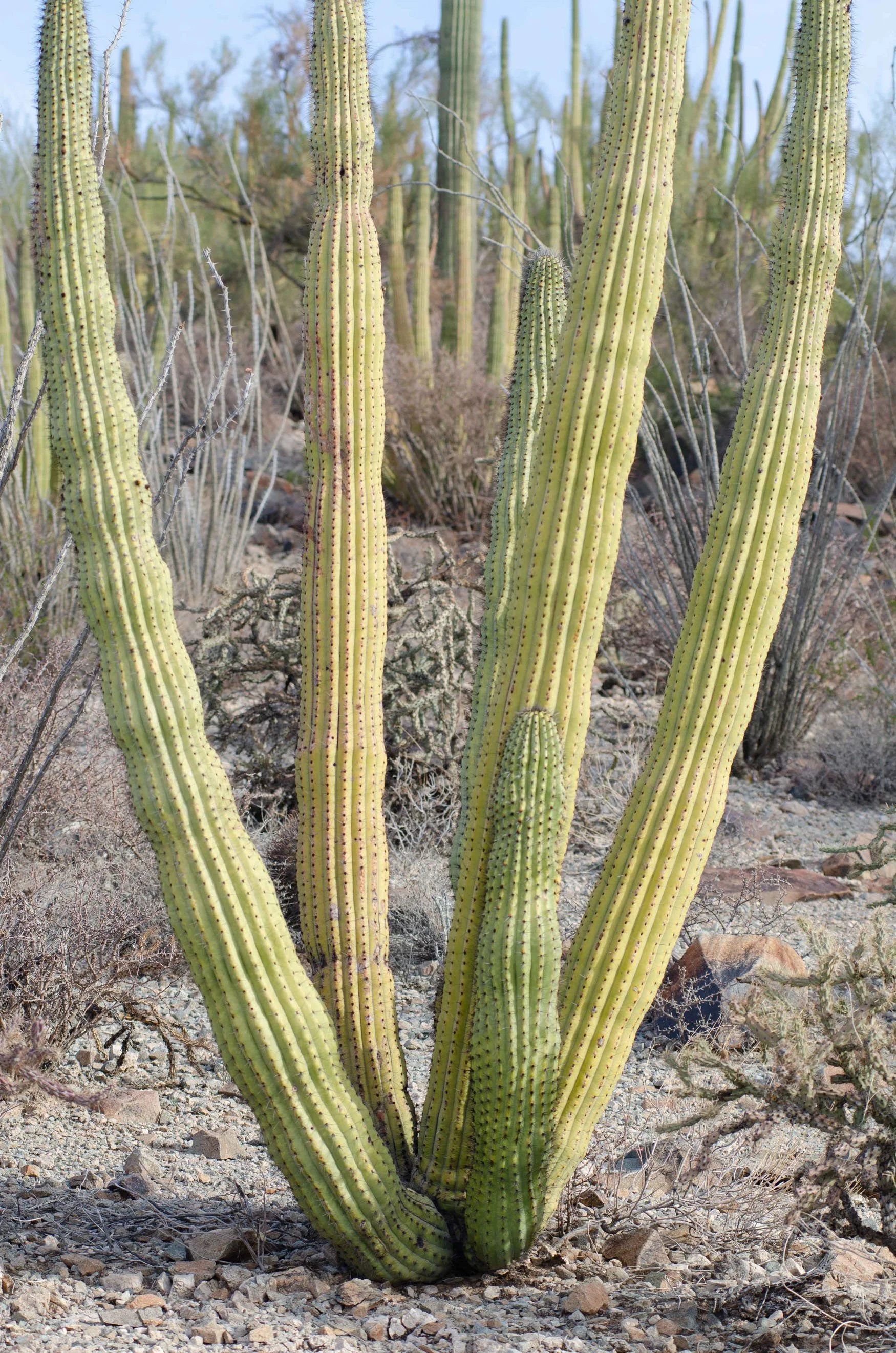
The hughes concentration of organ pipe cactus in the U.S.
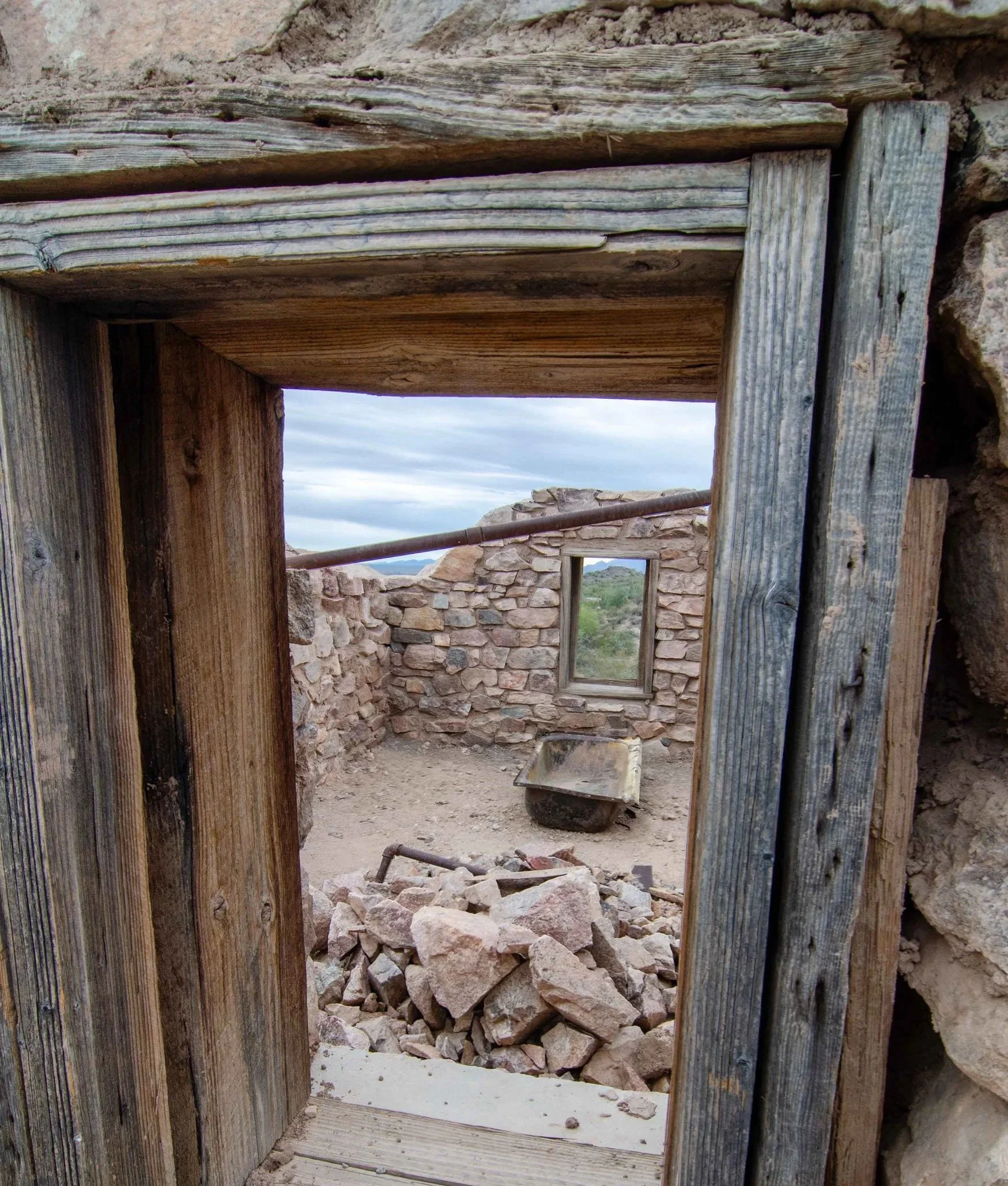
The Story
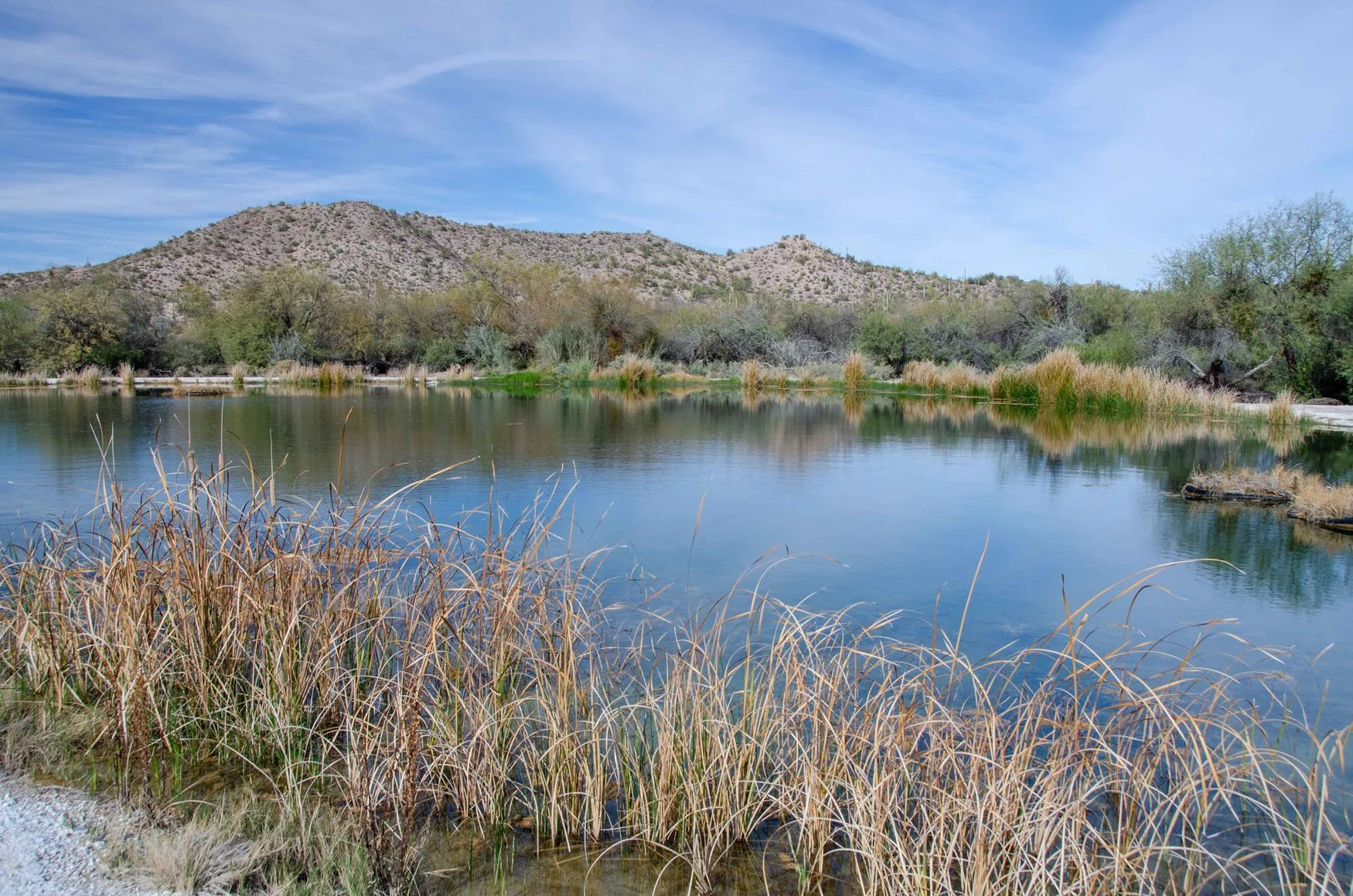
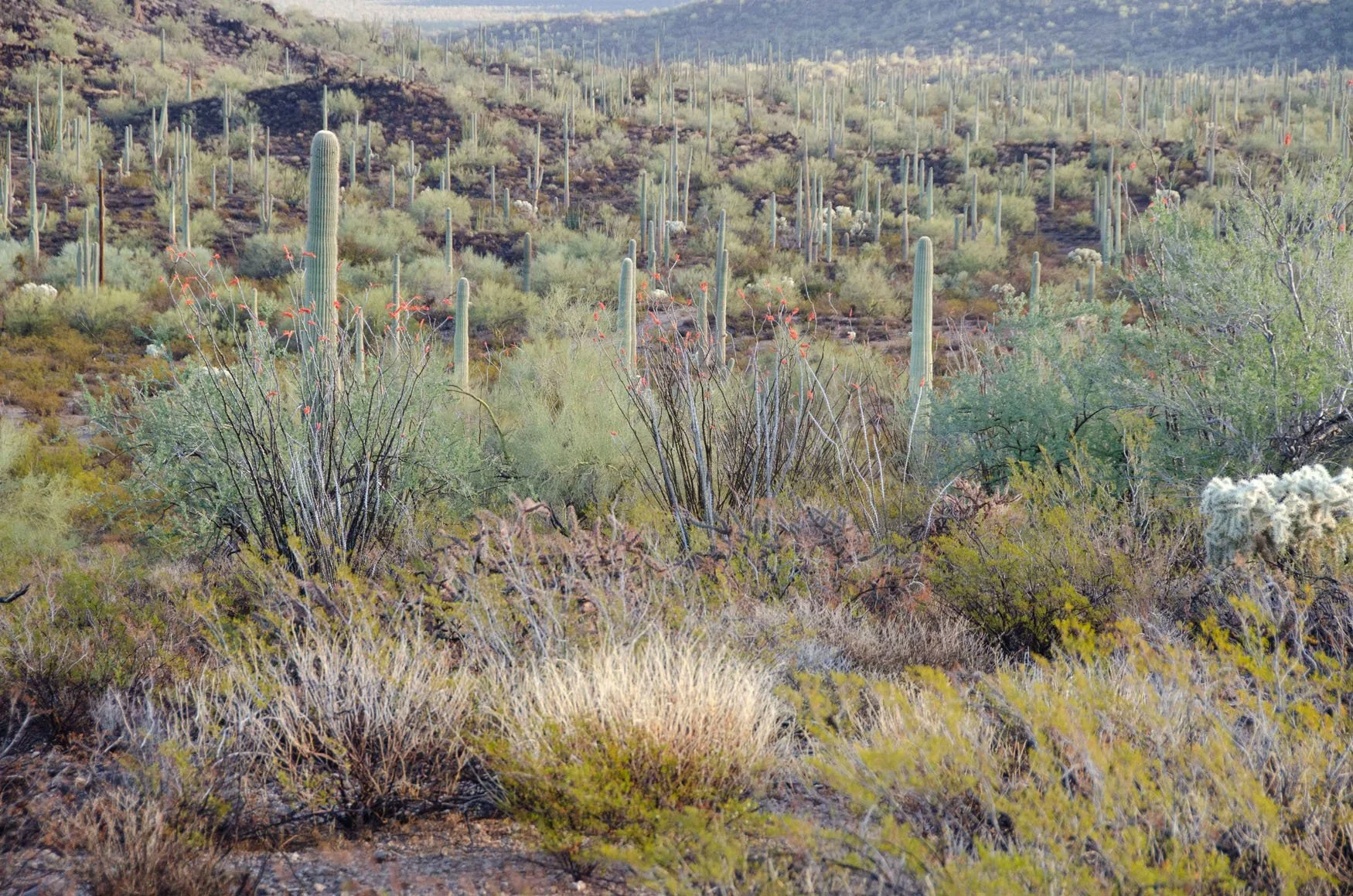
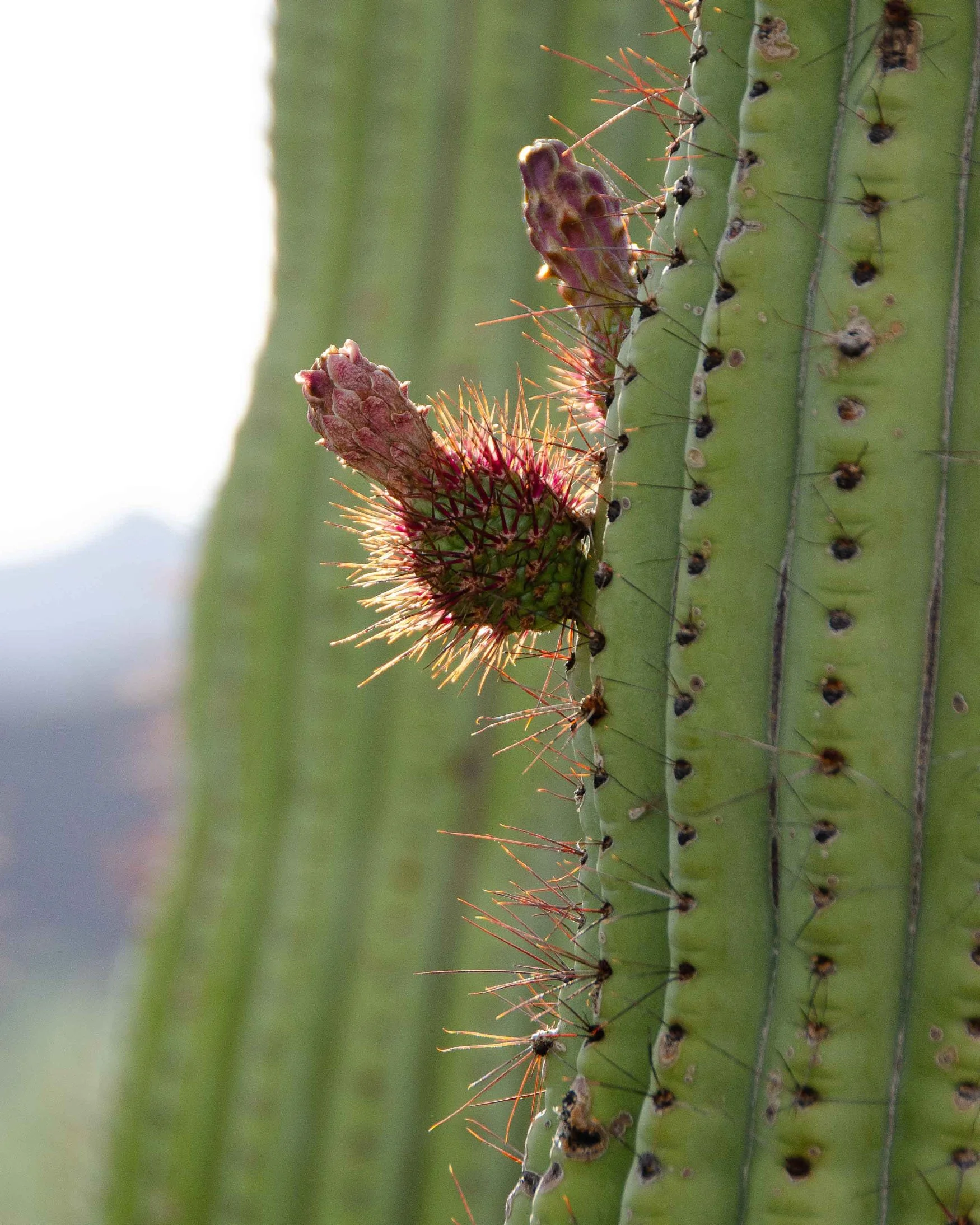
Established in 1937, this monument protects one of North America's most biologically rich deserts and is the only place in the United States where organ pipe cacti grow in high density. It holds deep connections to the Tohono O'odham people, whose ancestral homeland includes Quitobaquito Spring, a vital water source supporting unique riparian habitat and endemic species. The landscape supports endangered Sonoran pronghorn, desert bighorn sheep, and kit foxes, along with the Gila monster, rosy boa, migratory birds, and the lesser long-nosed bat, which pollinates the monument's cacti.
What We’re Doing
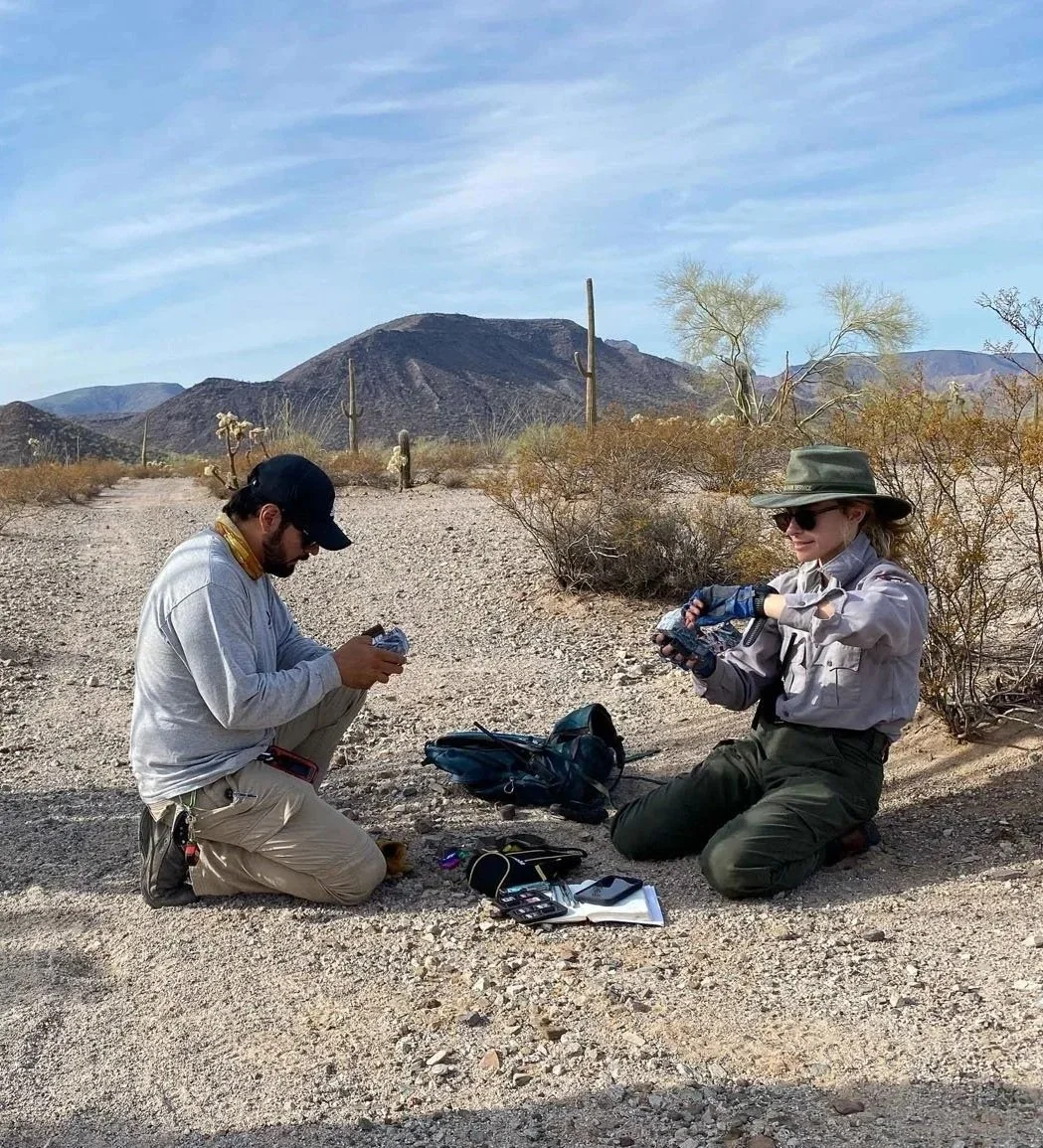
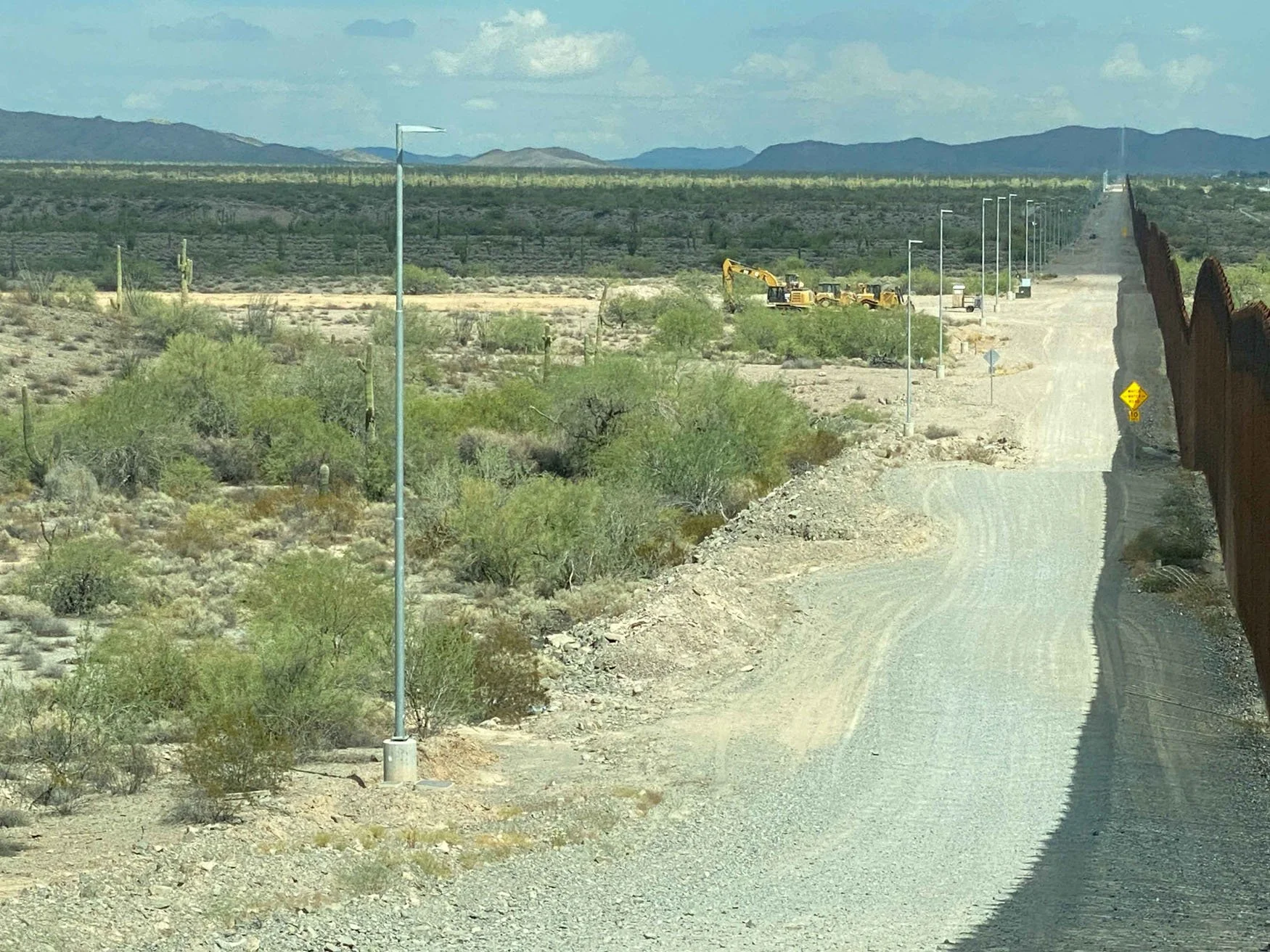
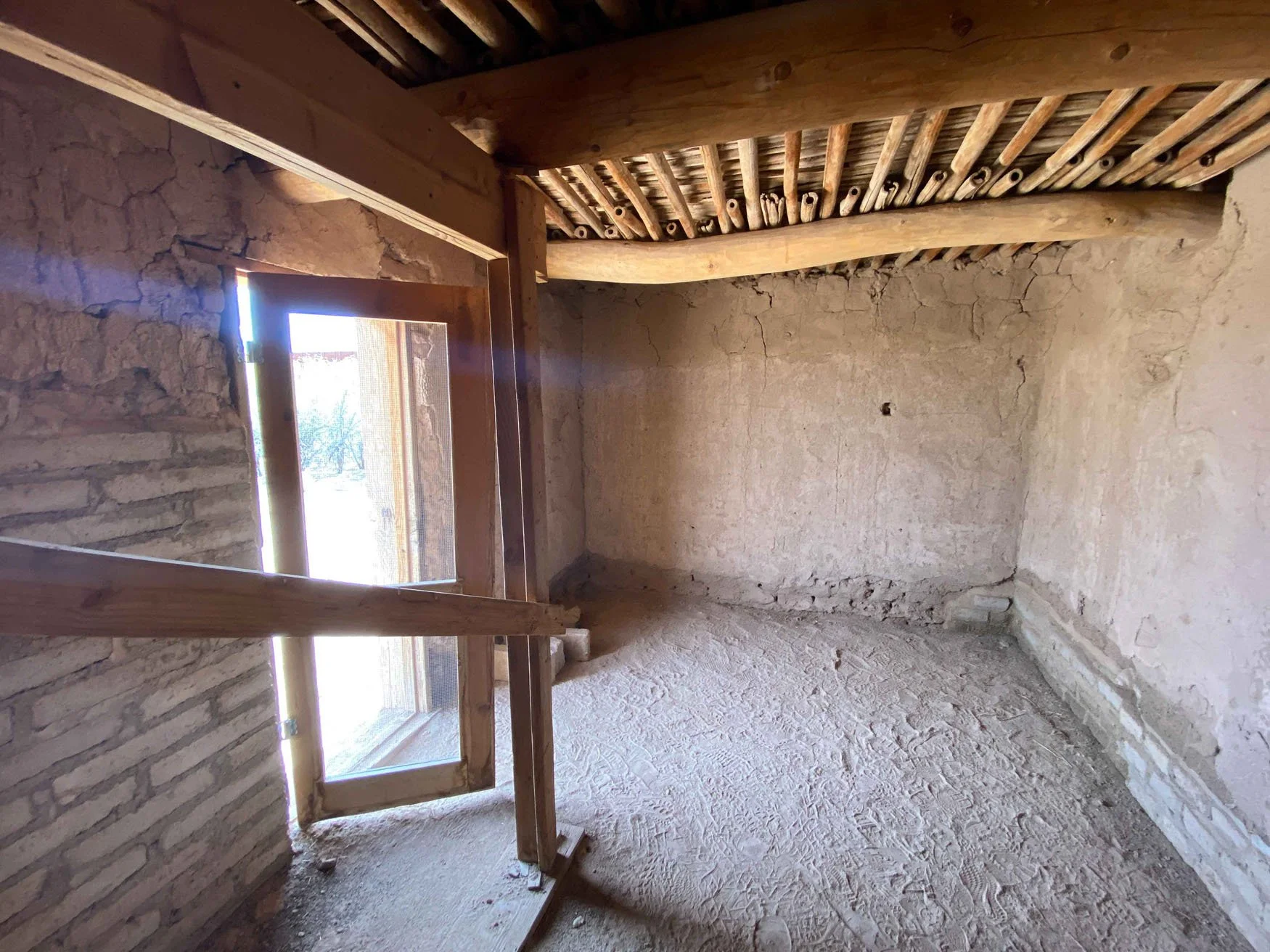
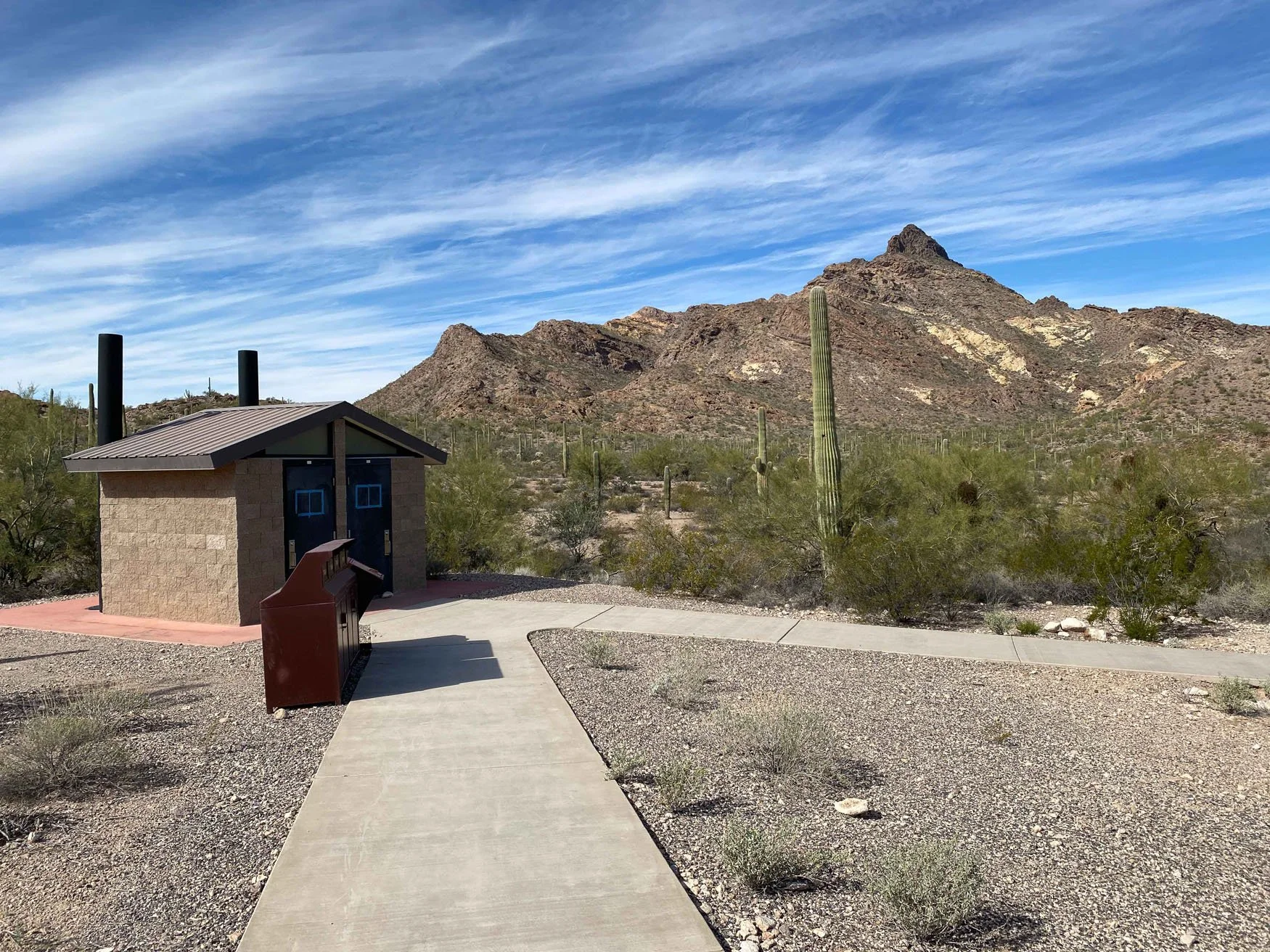
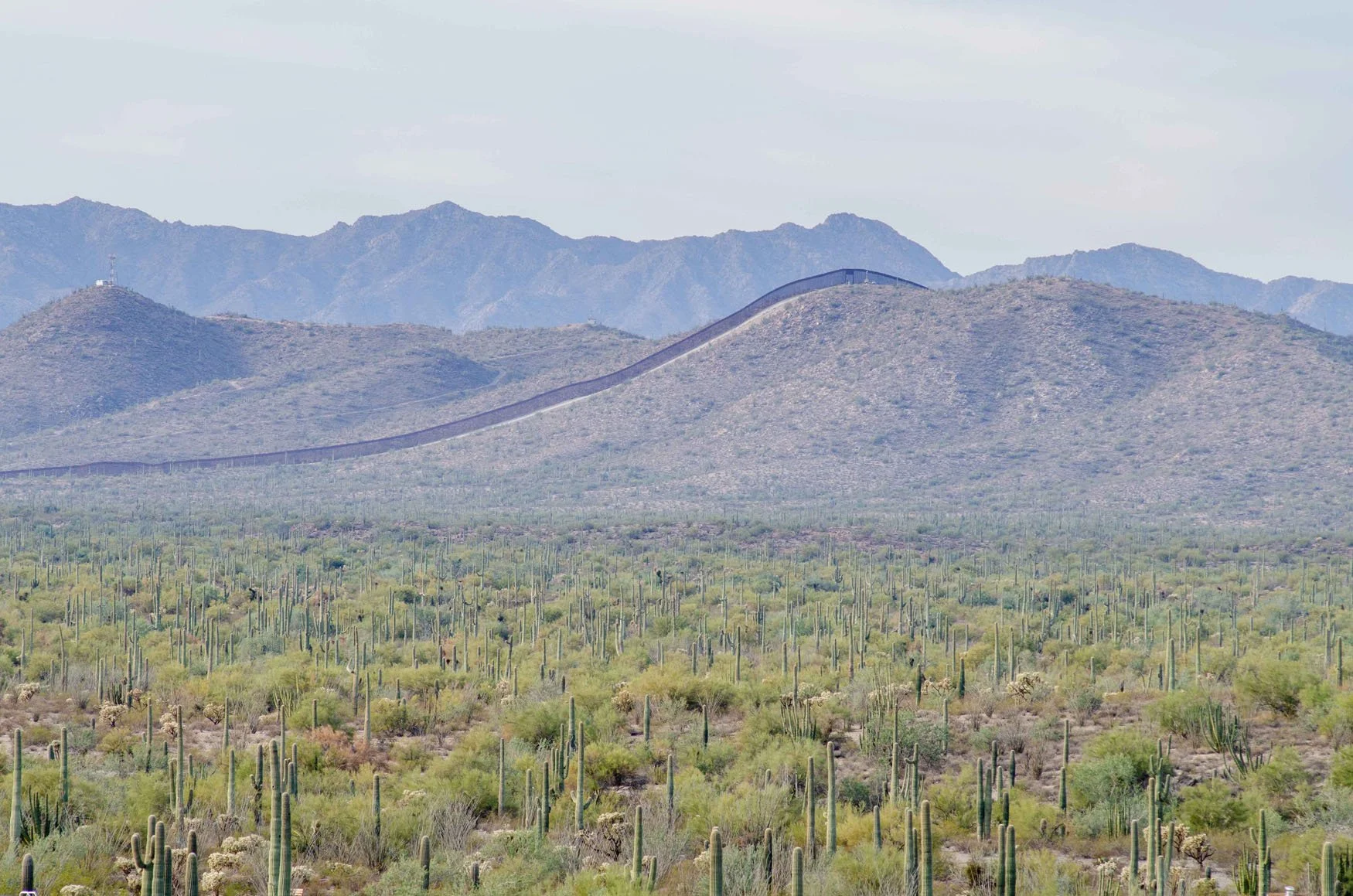
ADNPP supports Organ Pipe through funding that addresses three priorities: enhancing visitor experience through infrastructure improvements; funding wildlife research that examines key animal ecology and how species use the landscape; and assessing the impacts of border construction on the monument's ecosystems. This work connects visitor engagement, scientific understanding, and community stewardship of this UNESCO-designated landscape.
Plan Your Visit
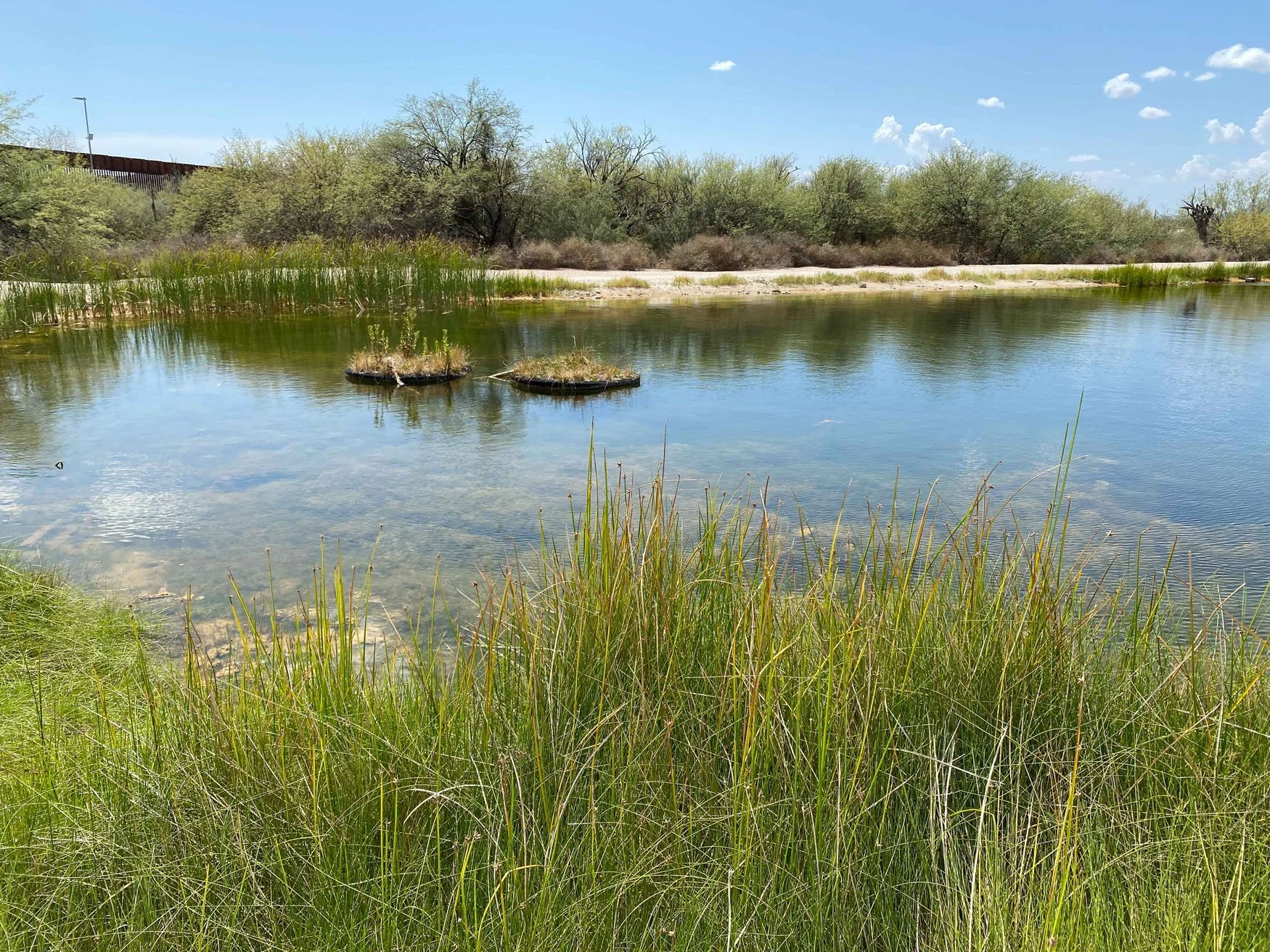
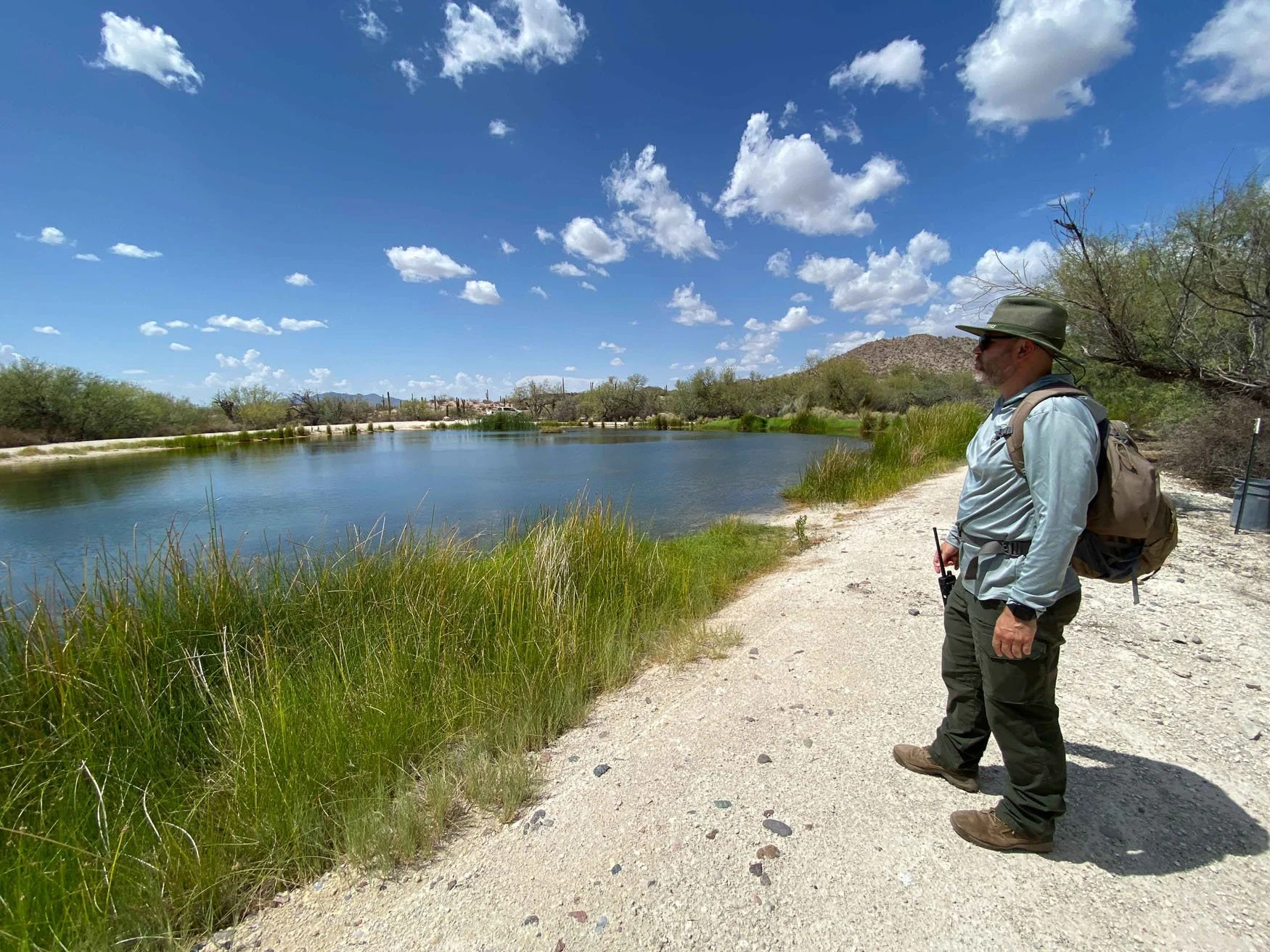
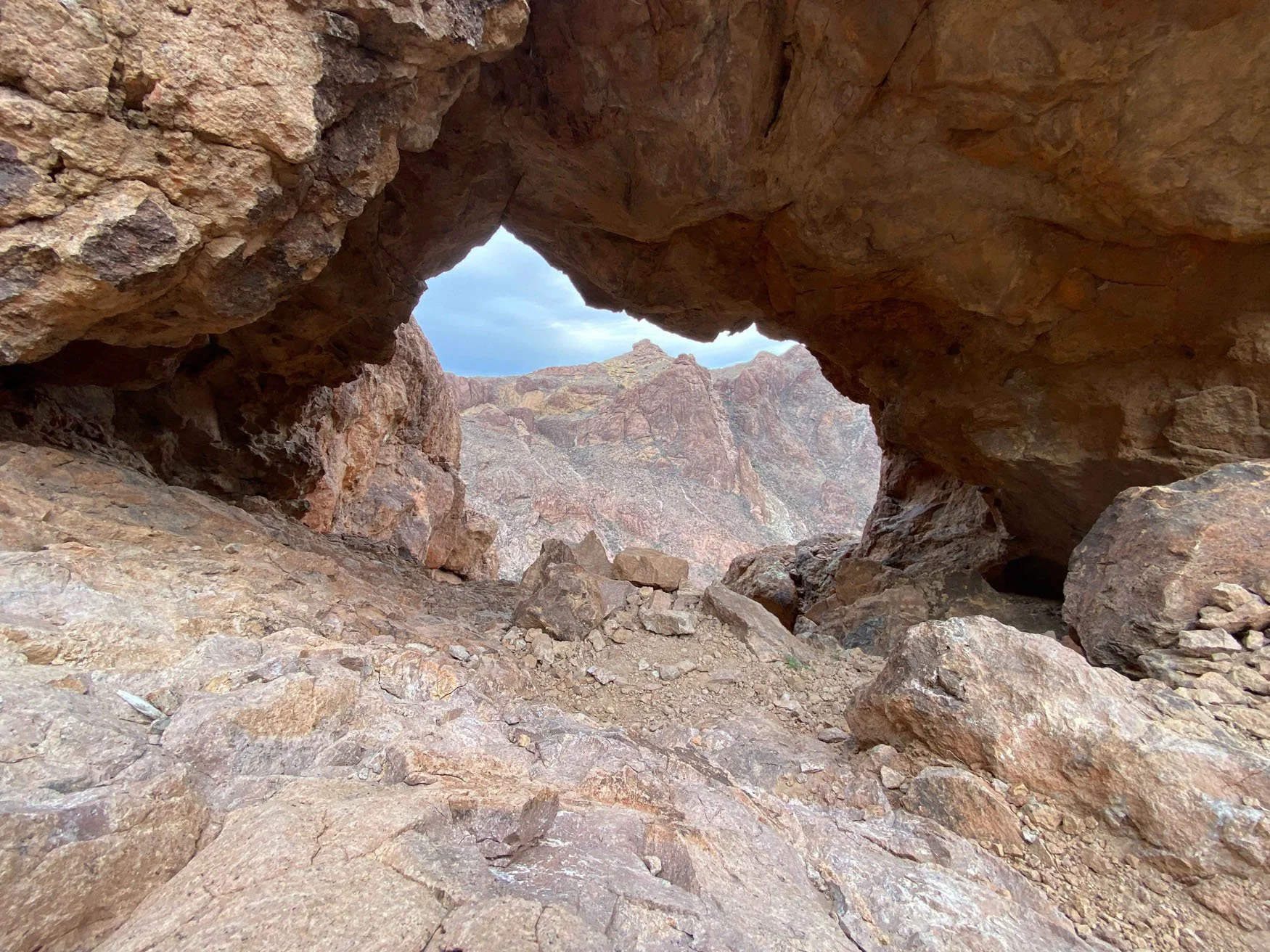
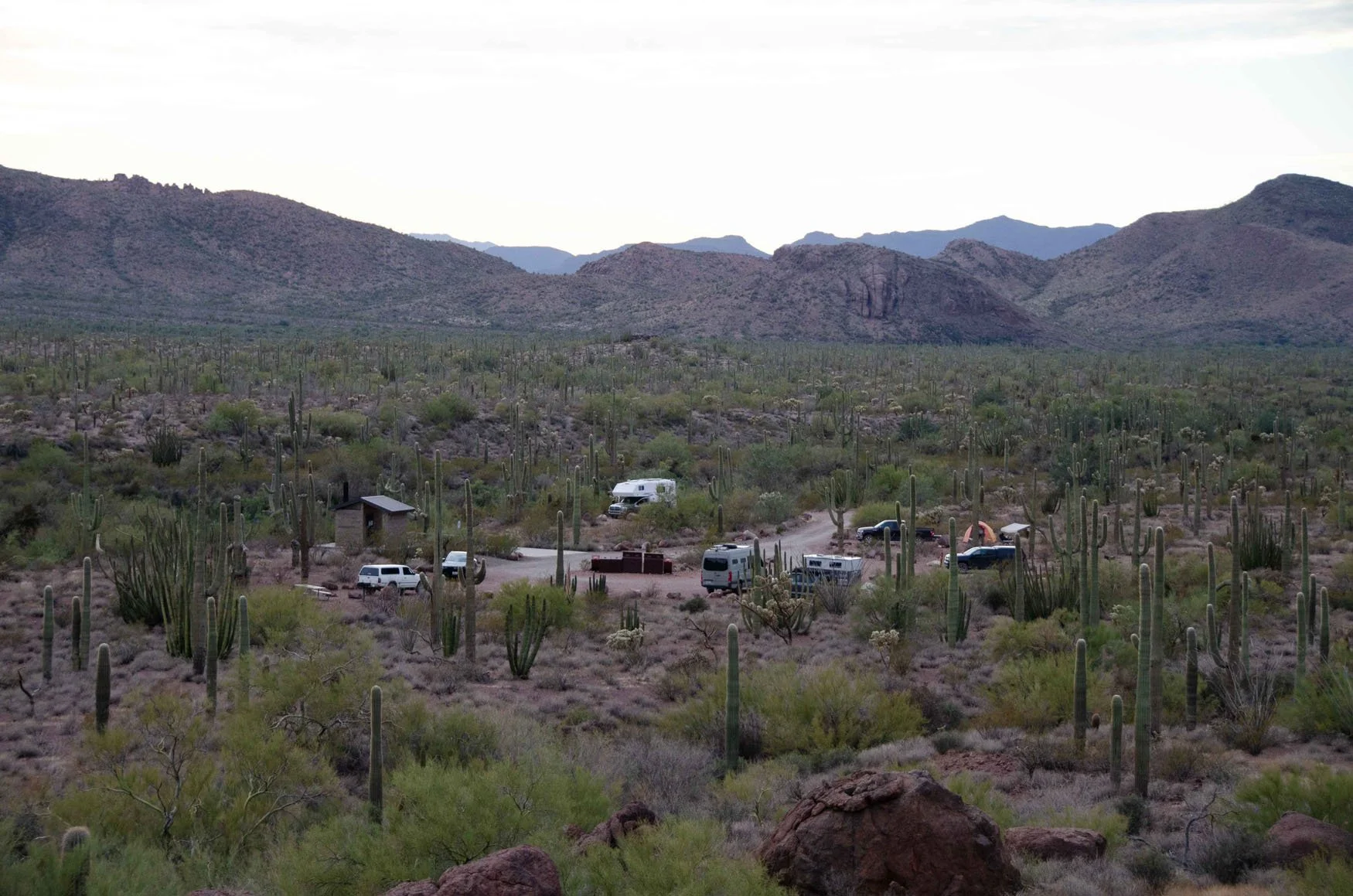
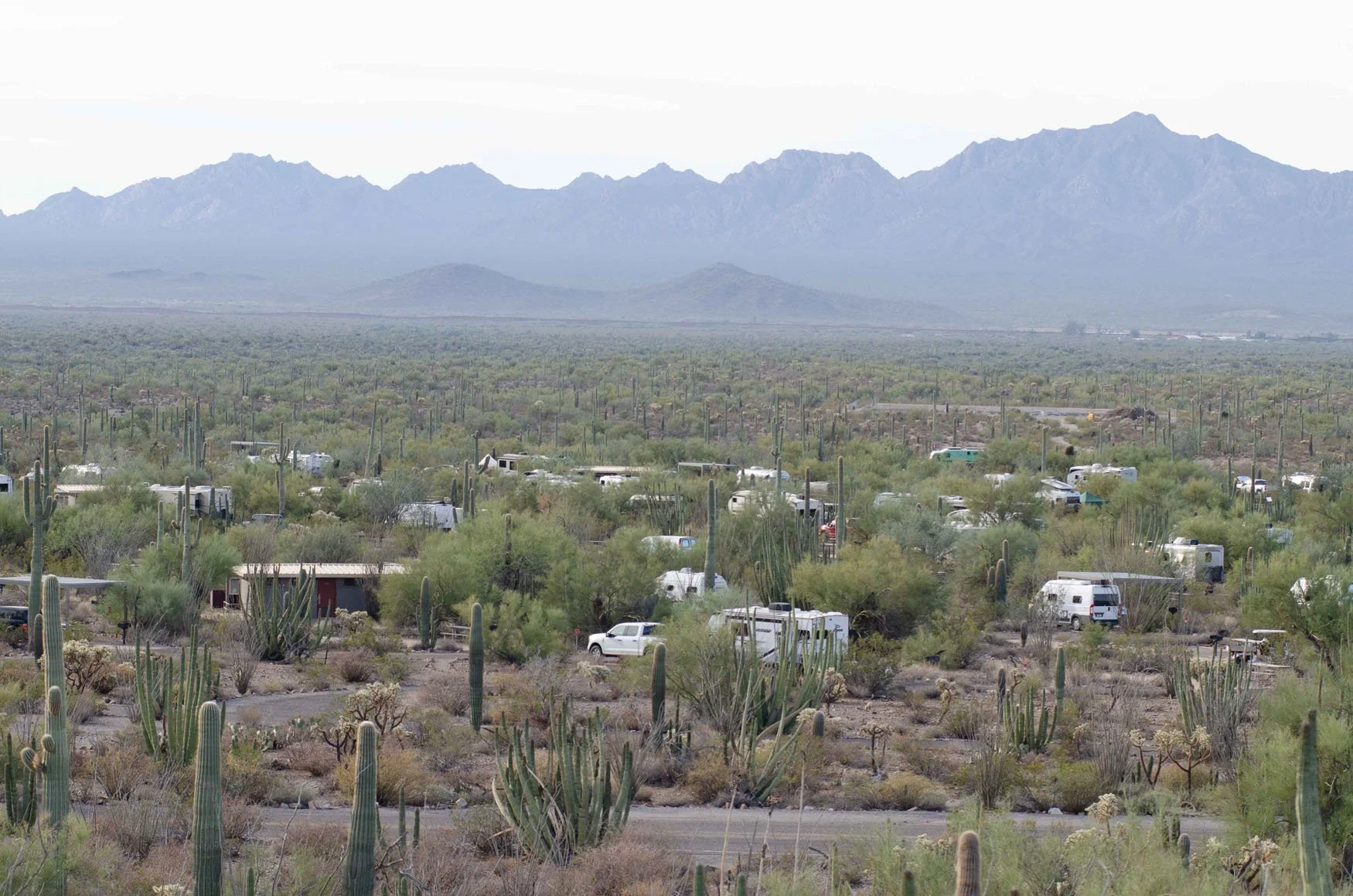
Organ Pipe is about immensity. Drive the scenic Ajo Loop and stop often—at pullouts with views that stretch across desert, at picnic areas where you can sit and absorb the landscape, at trailheads that lead deeper into the monument. The trail system spans easy to difficult; choose your own level of engagement. Quitobaquito, a spring-fed oasis in the heart of the desert, is a rare and vital ecosystem—a place where water and life converge in stark contrast to the surrounding aridity. Interpretive displays throughout the monument—including exhibits on endangered species like the pupfish and the Sonoita mud turtle—connect you to the ecological significance of this place.
Donate
Help ADNPP support Tonto’s programs and community partnerships