Built to occupy Apache Pass and enforce U.S. expansion, Fort Bowie tells the story of military strategy, Apache resistance, and the complex history of how the American Southwest was claimed and contested.
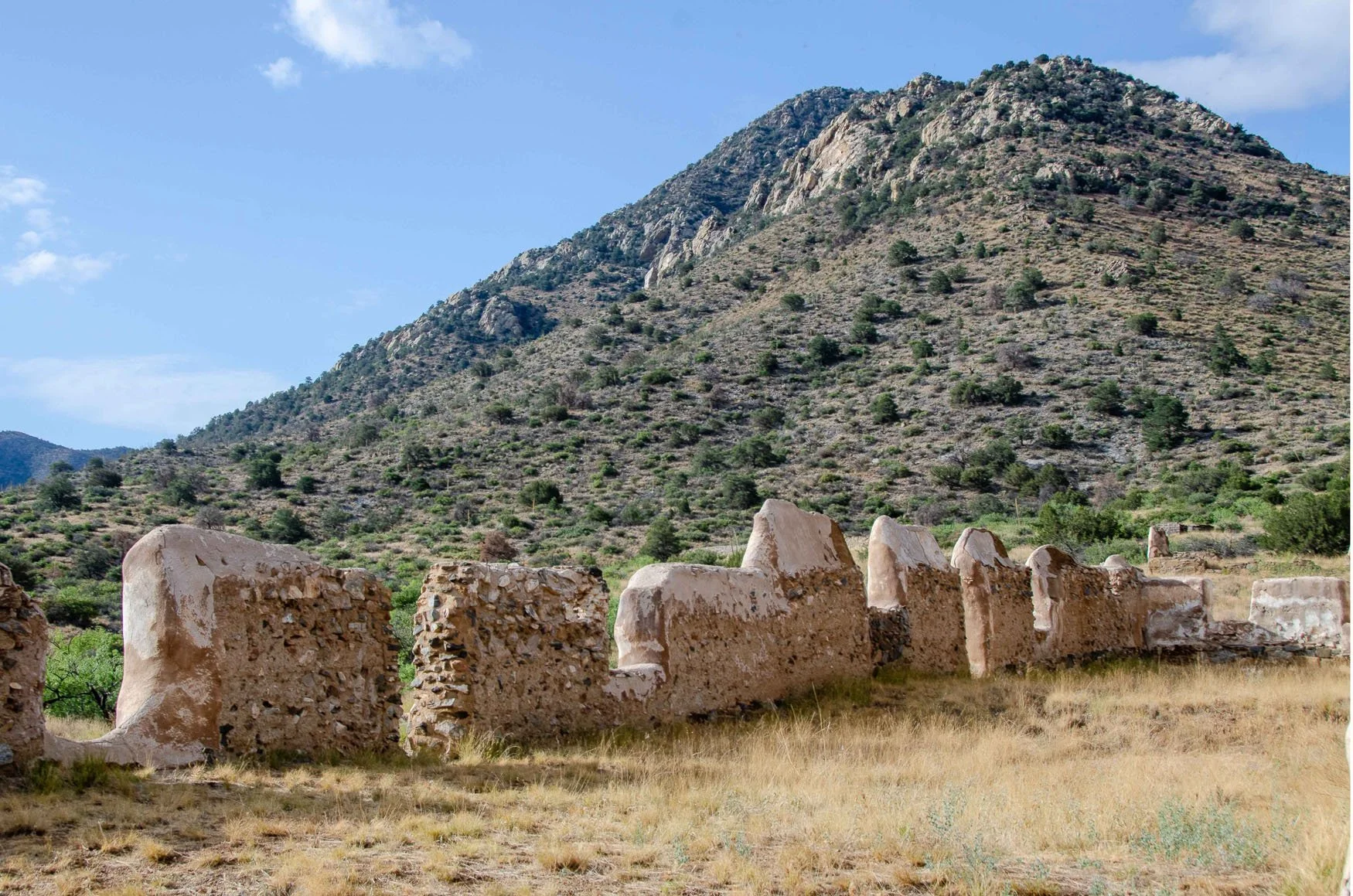
Quick Facts
Location: Southeastern Arizona, near Apache Pass
Established 1862
Central to the Apache Wars, including sites tied to Cochise and Geronimo
The Story
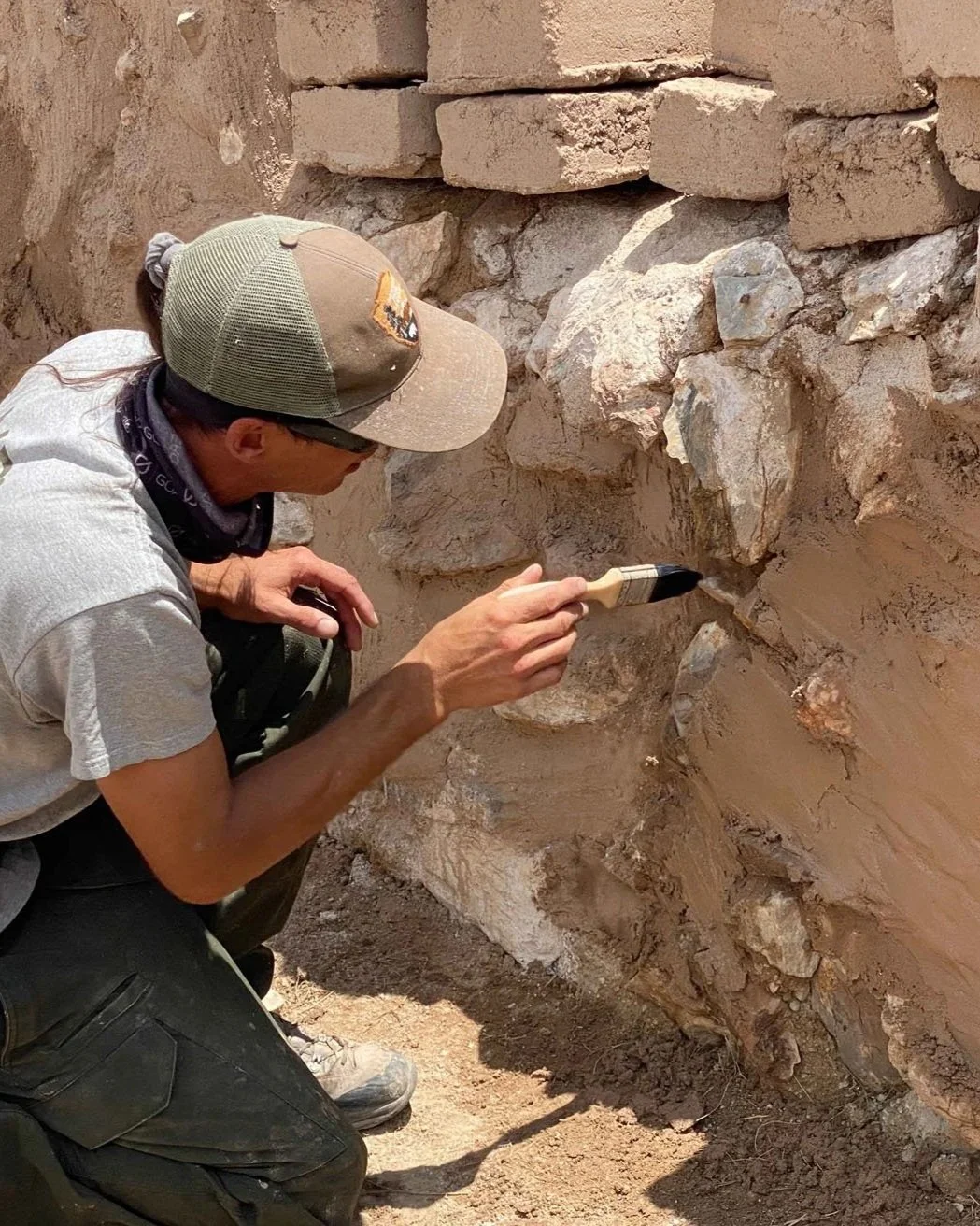
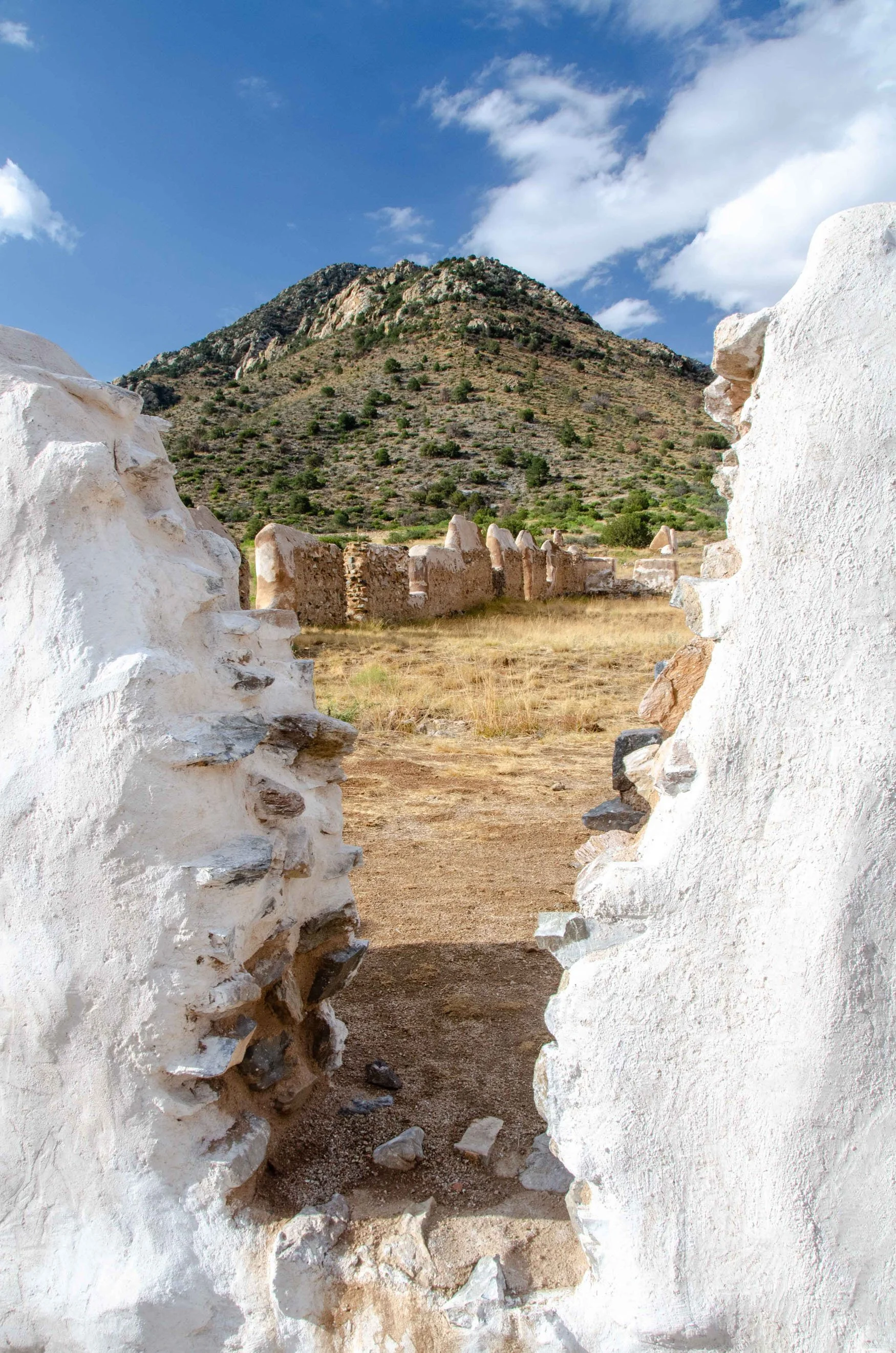
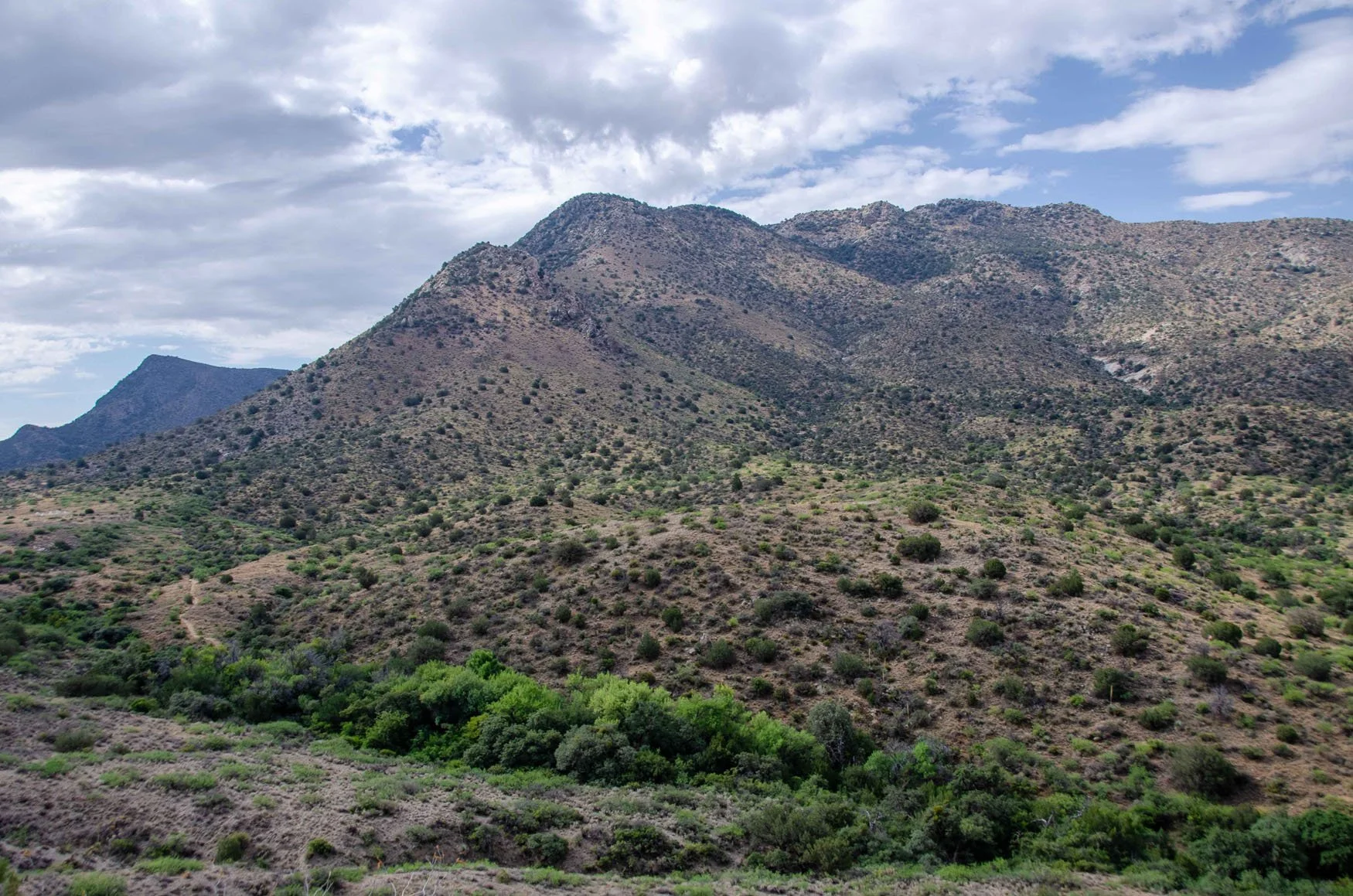
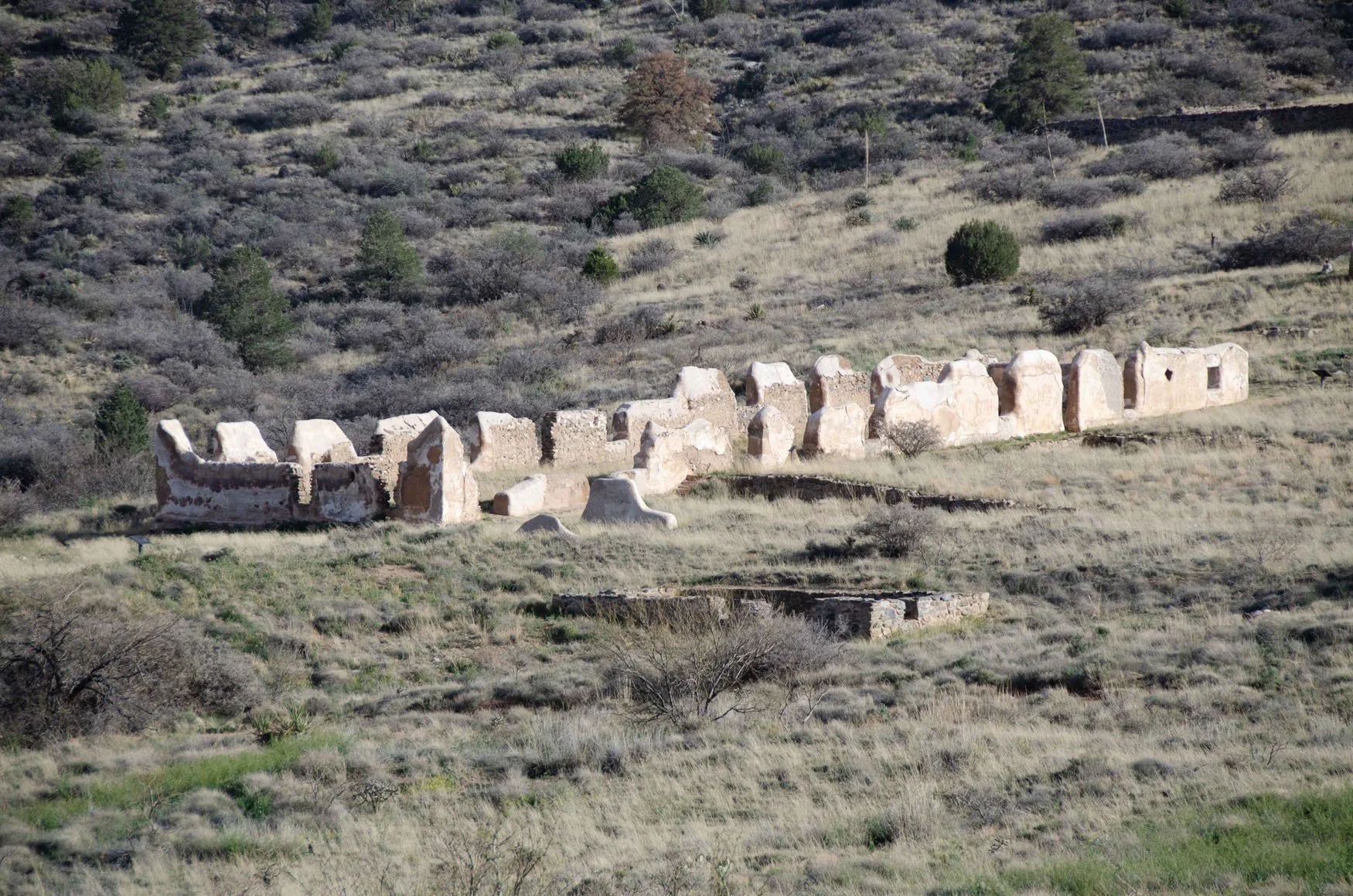
For hundreds of years, Apache Pass was a vital homeland and travel corridor for the Chiricahua Apache, who fiercely defended their territory against U.S. military occupation. Established in 1862, the fort preserves remains of two military installations and Butterfield Overland Mail facilities built to control this strategic landscape. The site tells the complex history of Apache resistance under leaders like Cochise and Geronimo, alongside the U.S. Army campaigns that sought to dominate the region and its people.
What We’re Doing
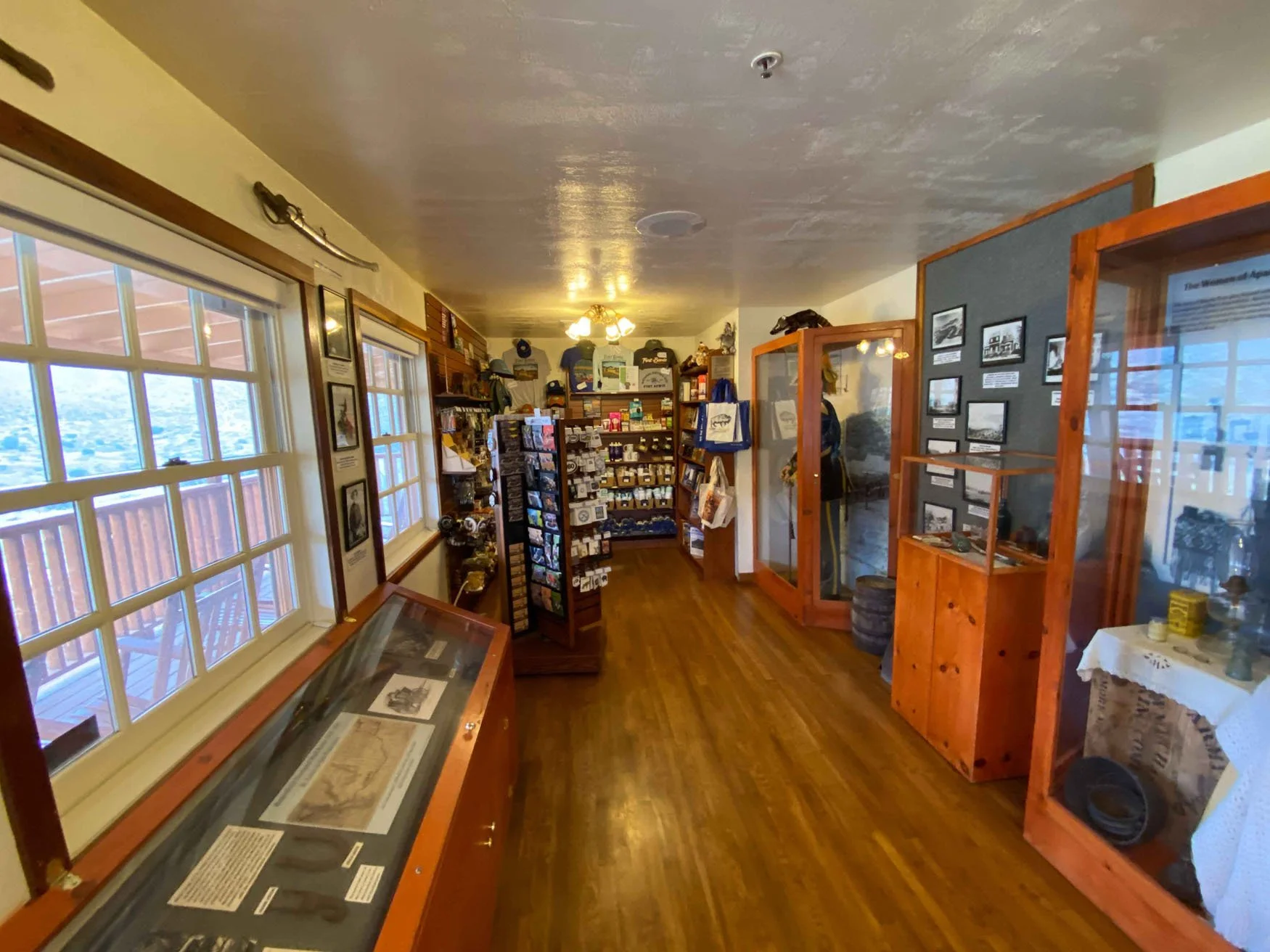
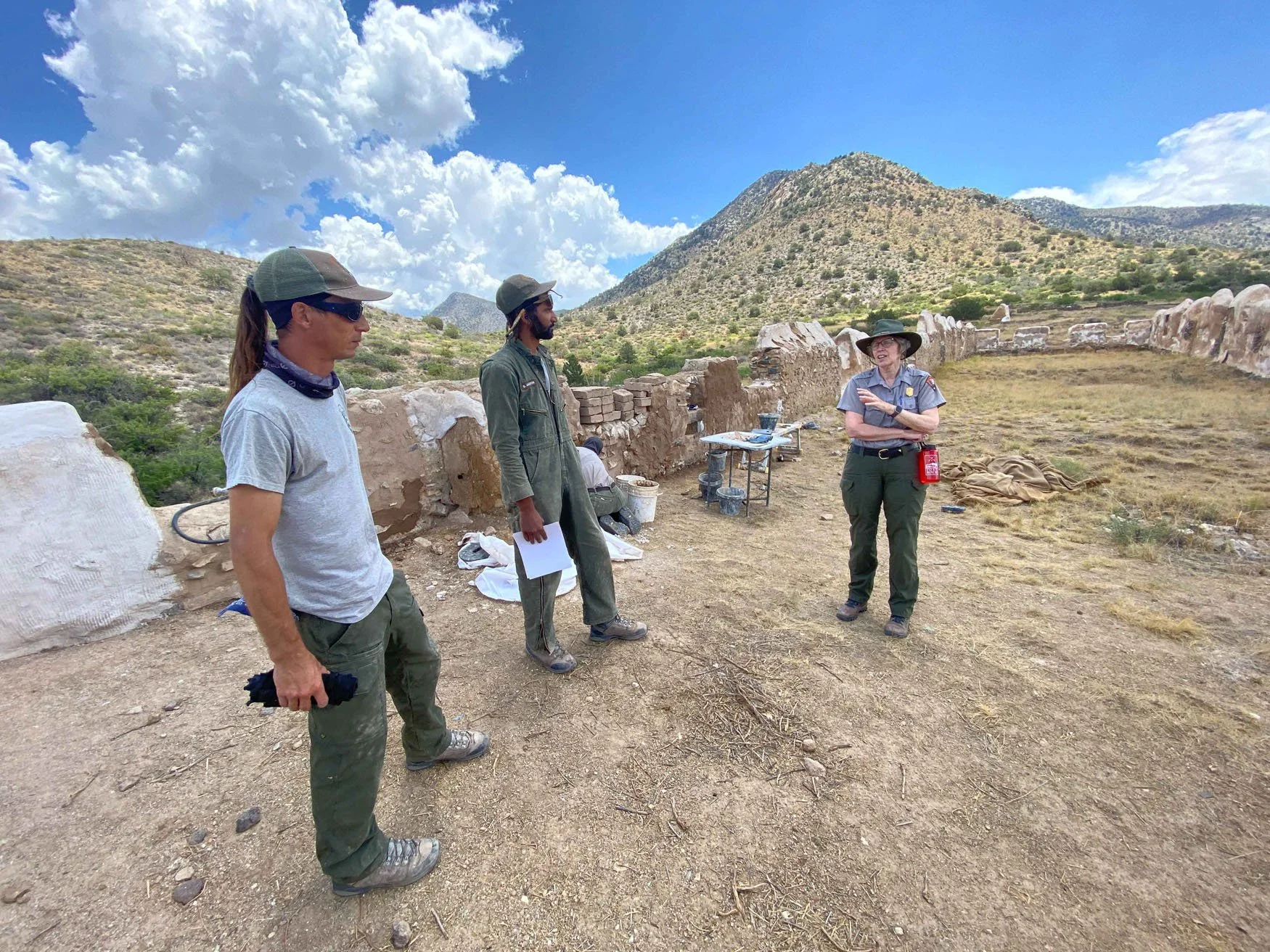
Fort Bowie tells a complicated story about military history and Apache resistance. ADNPP supports that mission through the Field Science Education Program, connecting teachers and students to the park's layered history. We're also advancing the park's needs with policymakers and building partnerships that strengthen its reach.
Plan Your Visit
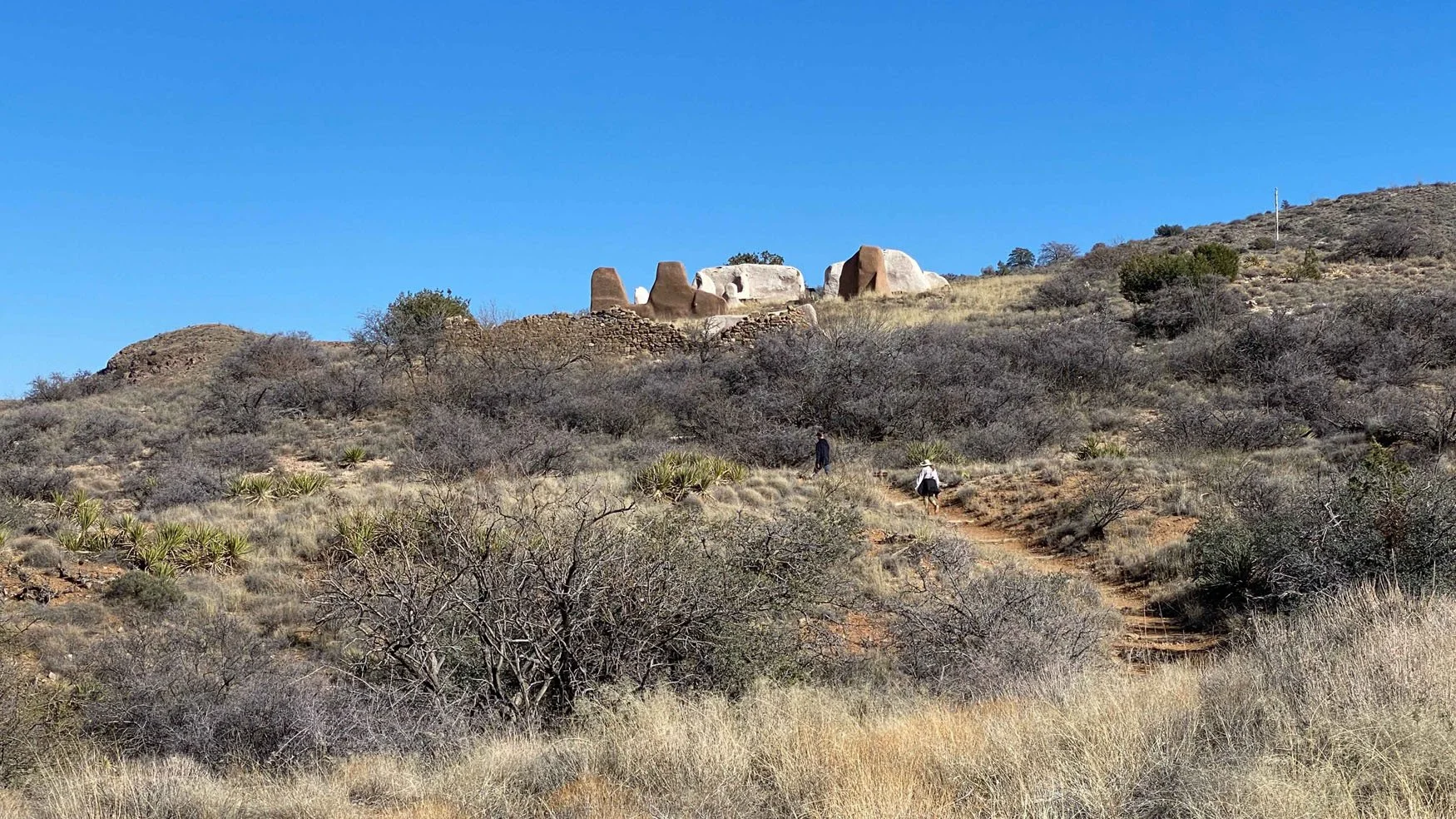
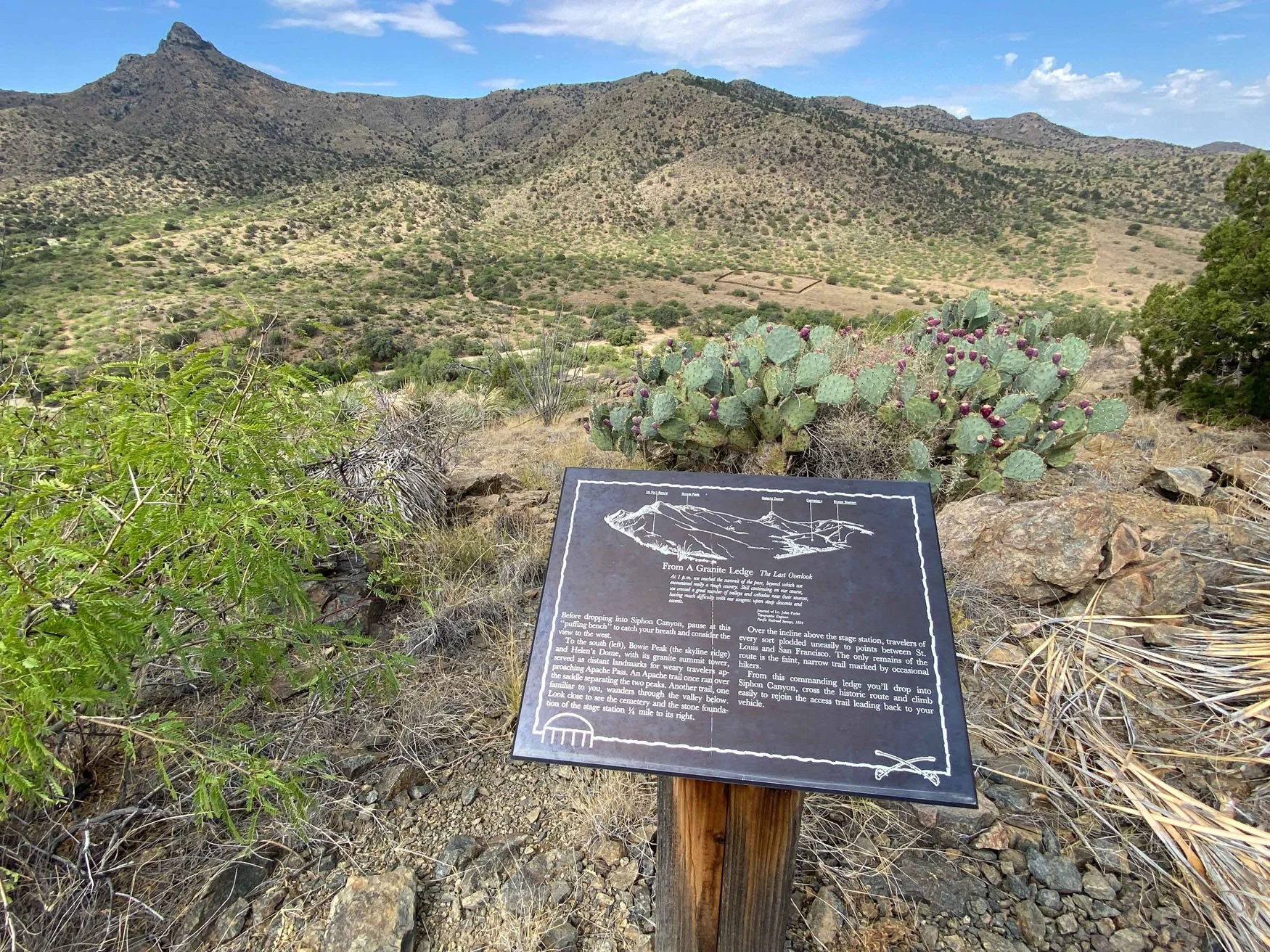
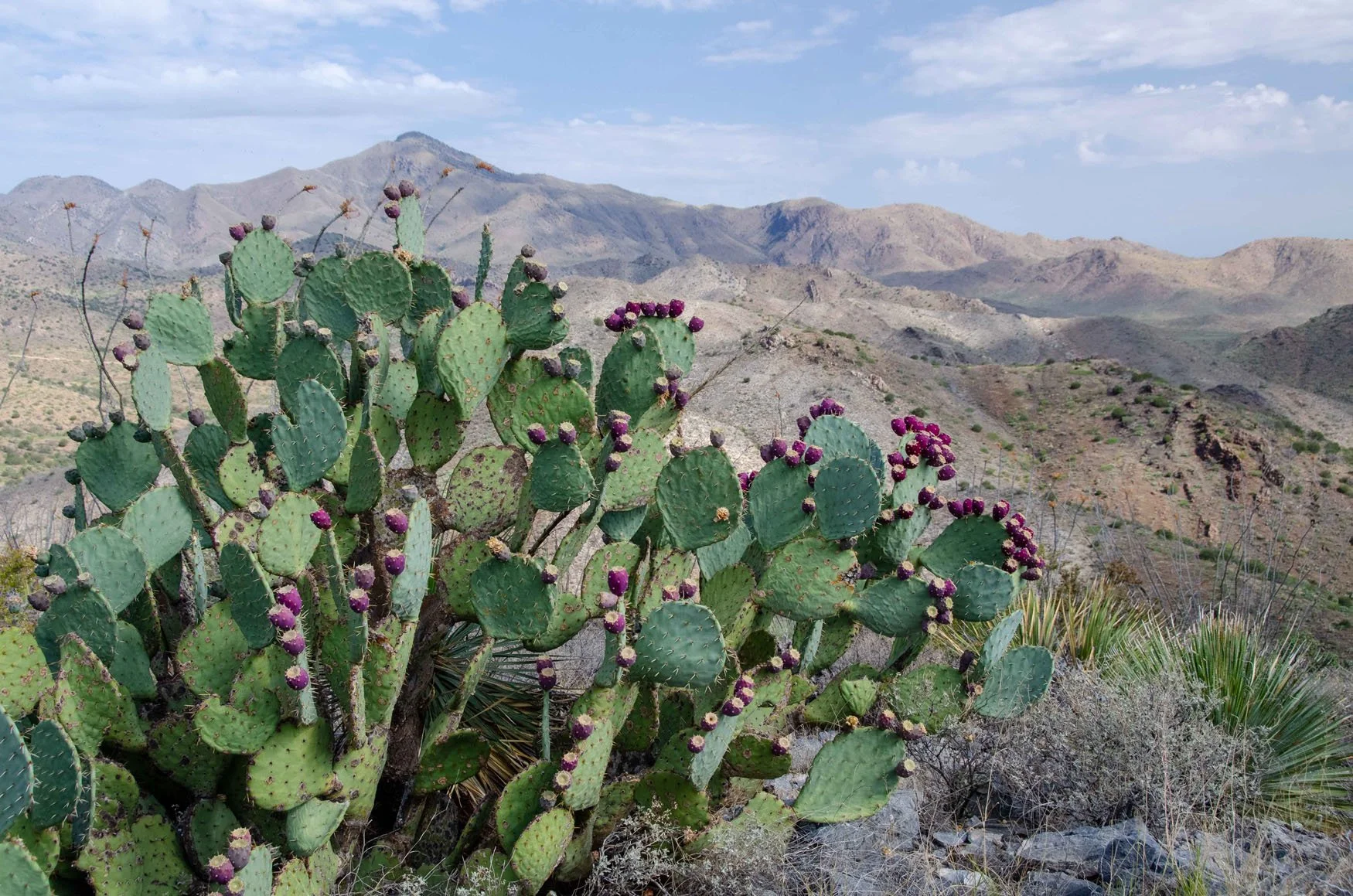
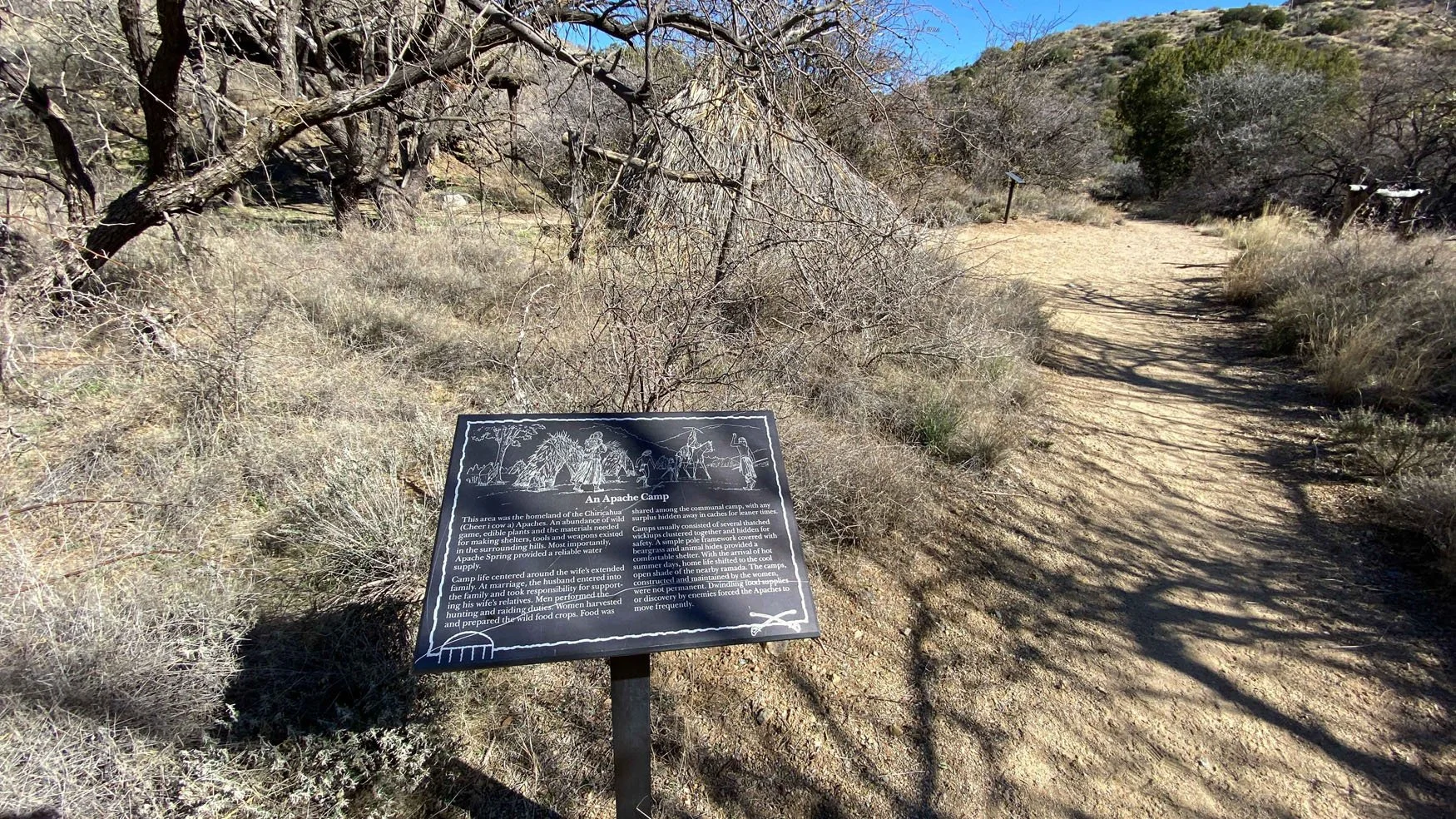
Fort Bowie rewards slow exploration. From the parking area, a 1.5-mile walk leads you to the fort's ruins, with interpretive signs marking the path and telling the complex story of Apache Pass, military occupation, Apache resistance, and the lives of the army officers and families stationed here. Apache Spring, encountered along the trail, was a crucial water source in this contested landscape—its presence shaped both Apache life and military strategy. The visitor center provides interpretation and artifacts that deepen what you've seen. From the fort, an overlook trail branches off if you want additional views of the landscape without returning to the trailhead.
Handicapped parking is available at the main office compound near the visitor center for those who cannot make the full walk. October through May offers the best conditions for hiking. The landscape is open and can be hot; bring water and sun protection. This is a place that asks something of you—the walk, the attention to the signs, the time spent at the ruins and spring. In return, you stand in a landscape where Cochise and Geronimo defended their homeland against U.S. military occupation, where army officers and their families built lives in a frontier fort—a conflict and coexistence that defined the region's history.
Donate
Help ADNPP support Coronado's education programs and community partnerships