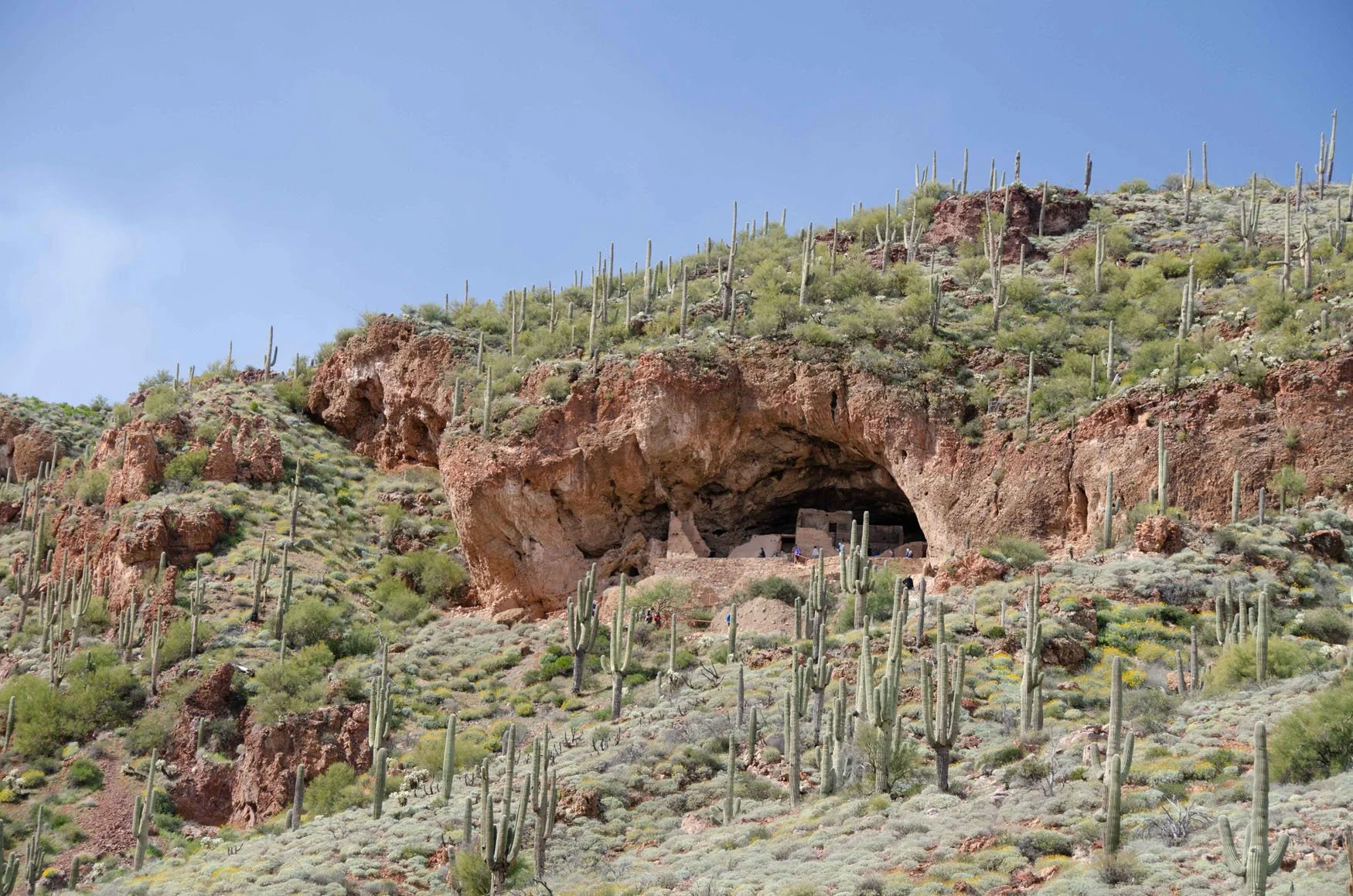
Two remarkable cliff dwellings rise from above present-day Lake Roosevelt, built by the Salado people—a culture that emerged from the meeting of local and immigrant groups seeking to thrive in this landscape.

Quick Facts
Location: Central Arizona's Salt River basin
Protects cliff dwellings built by the Salado people, roughly 1250–1450 CE
The Story
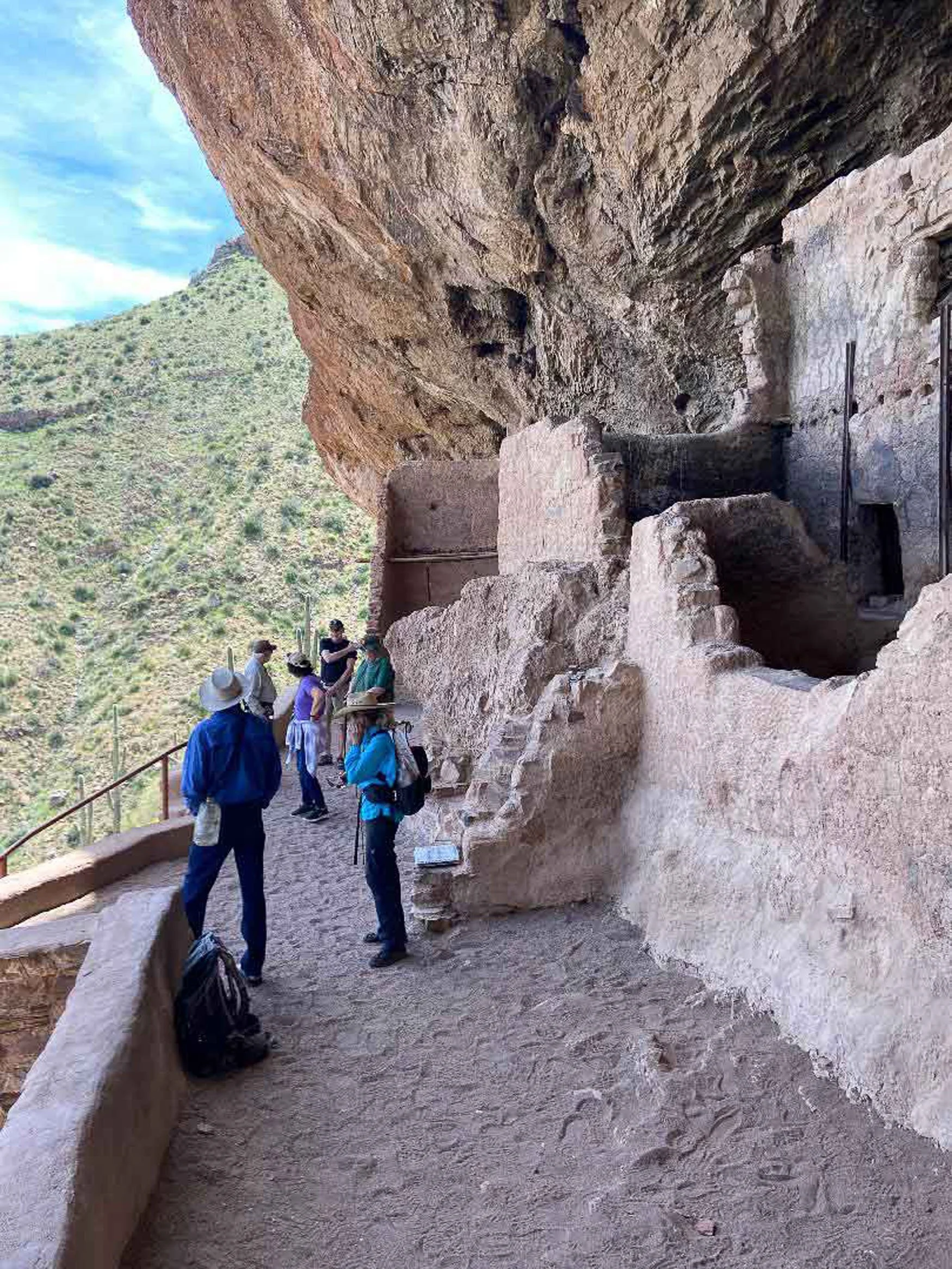
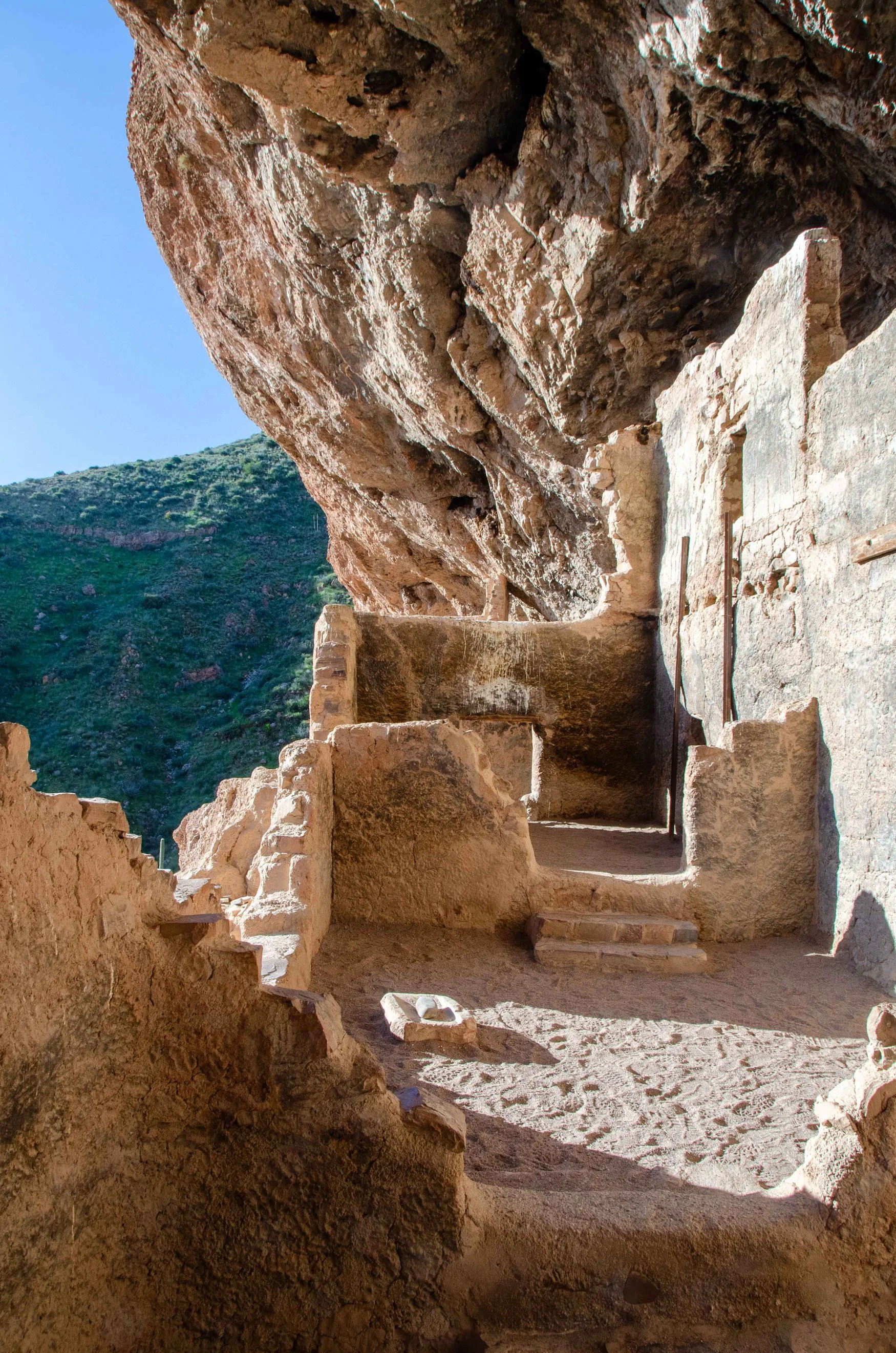
Located in the Salt River Canyon, this monument preserves cliff dwellings built by the Salado people between 1250 and 1450 CE that reflect cultural blending among Hohokam, Mogollon, and Ancestral Pueblo traditions. The site was abandoned, likely due to environmental stress and social change, leaving behind evidence of sophisticated adaptation to the canyon's resources. The monument protects a biologically rich transition zone between Sonoran Desert lowlands and higher-elevation woodlands supporting diverse plant and animal life.
What We’re Doing
ADNPP has assessed Tonto's priorities and is developing a FY 2027 work plan to address critical gaps in staffing, resources, and visitor programs through grant funding and partnerships with other parks
Plan Your Visit
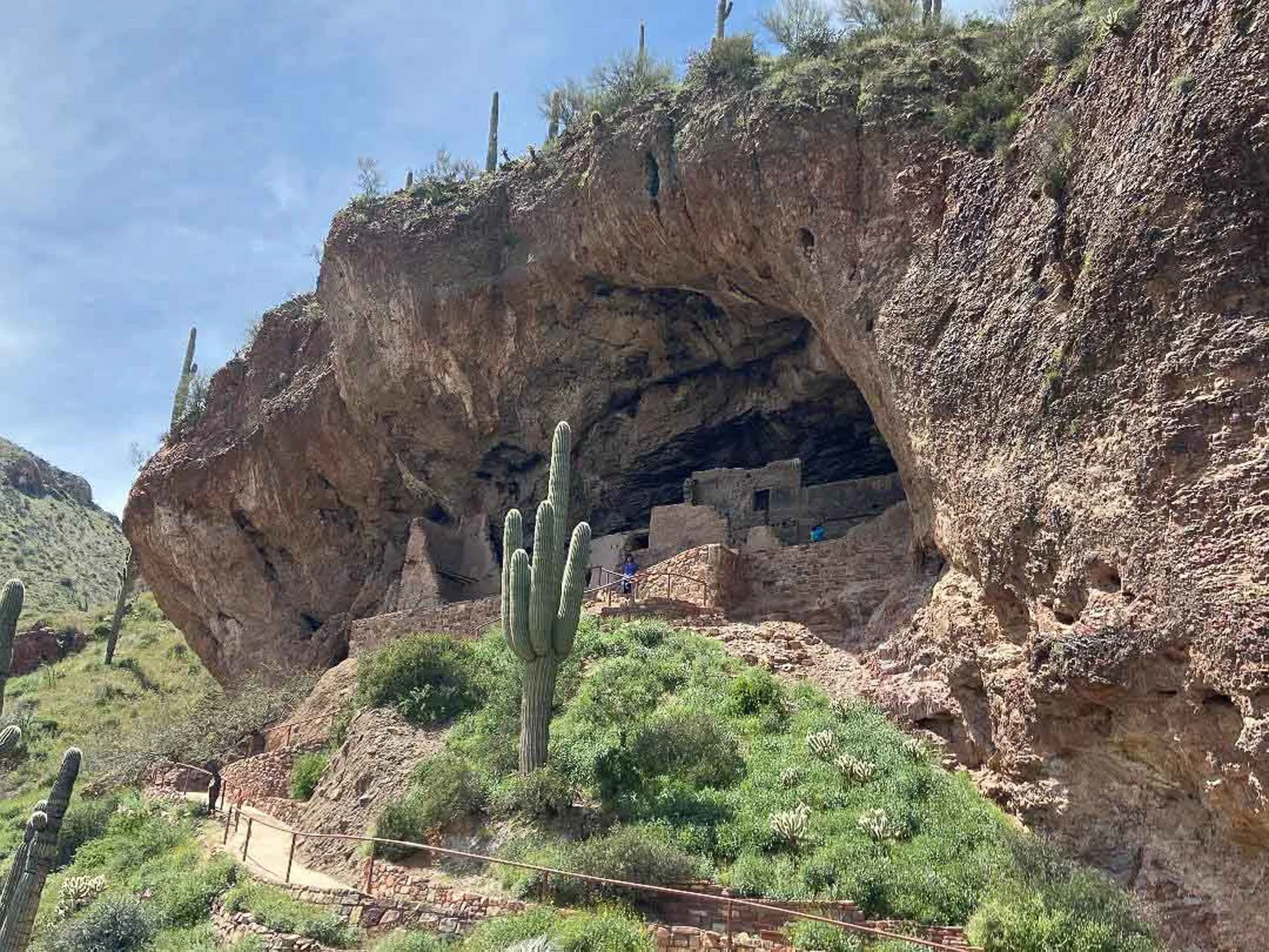
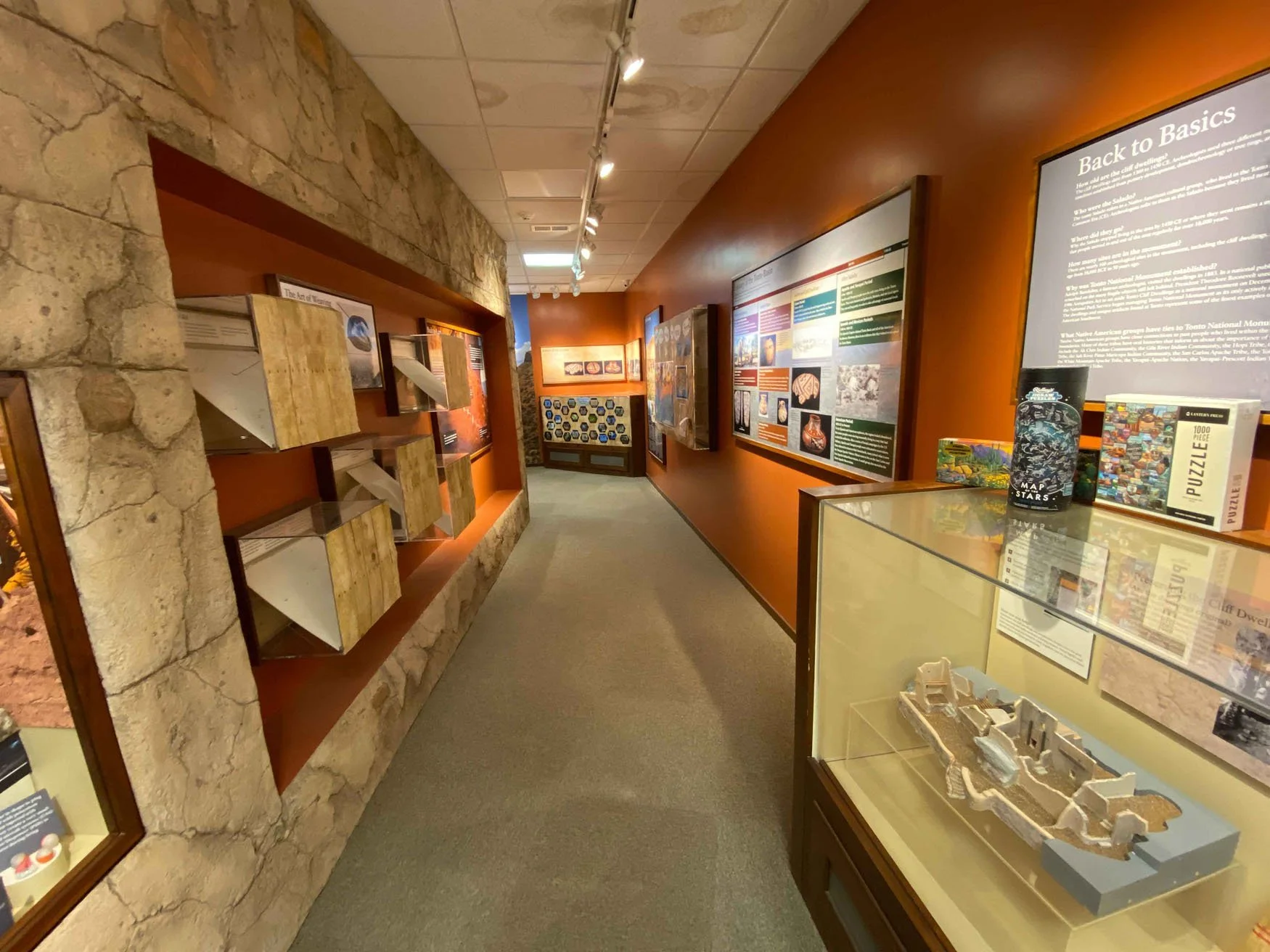
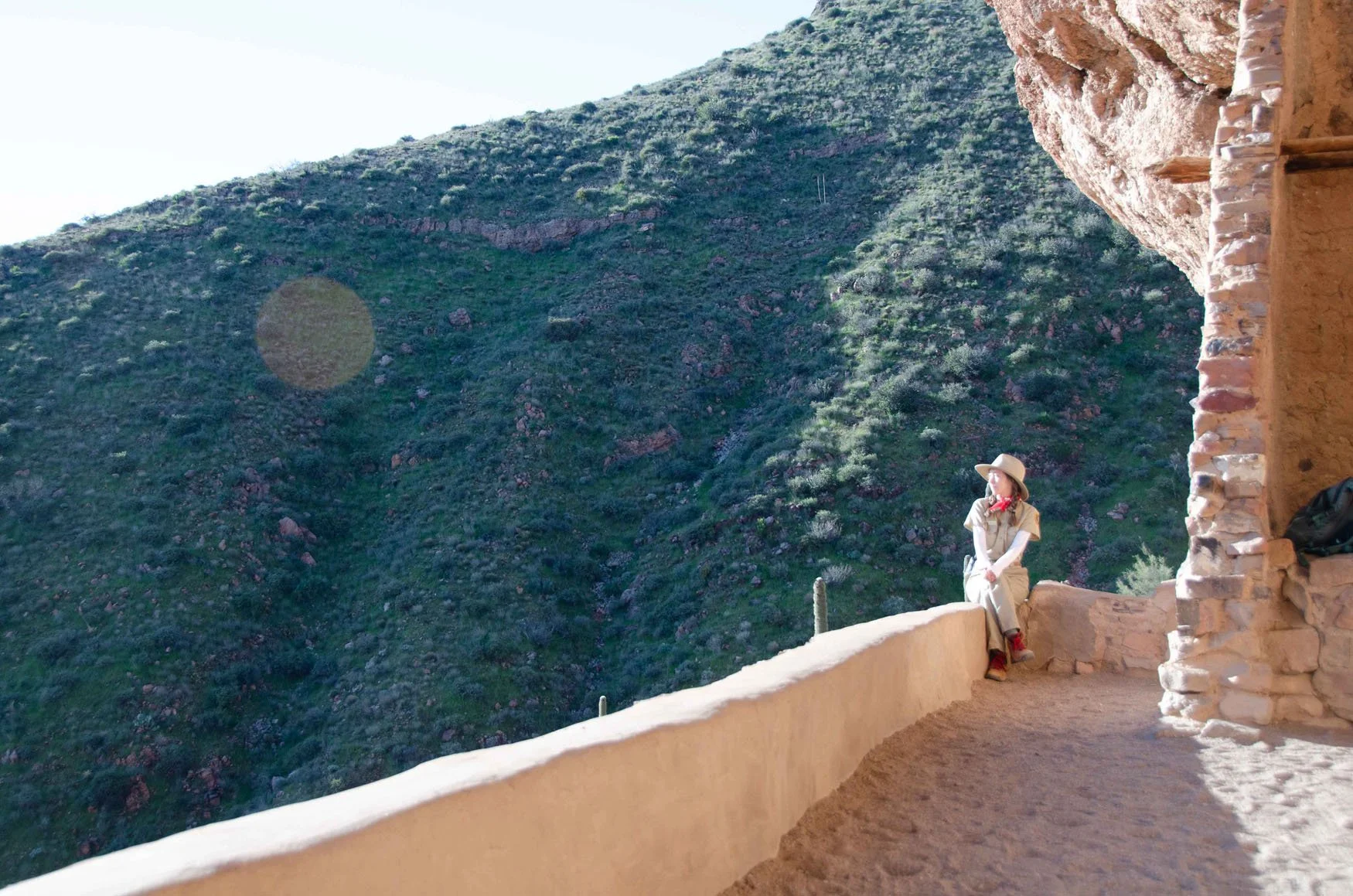
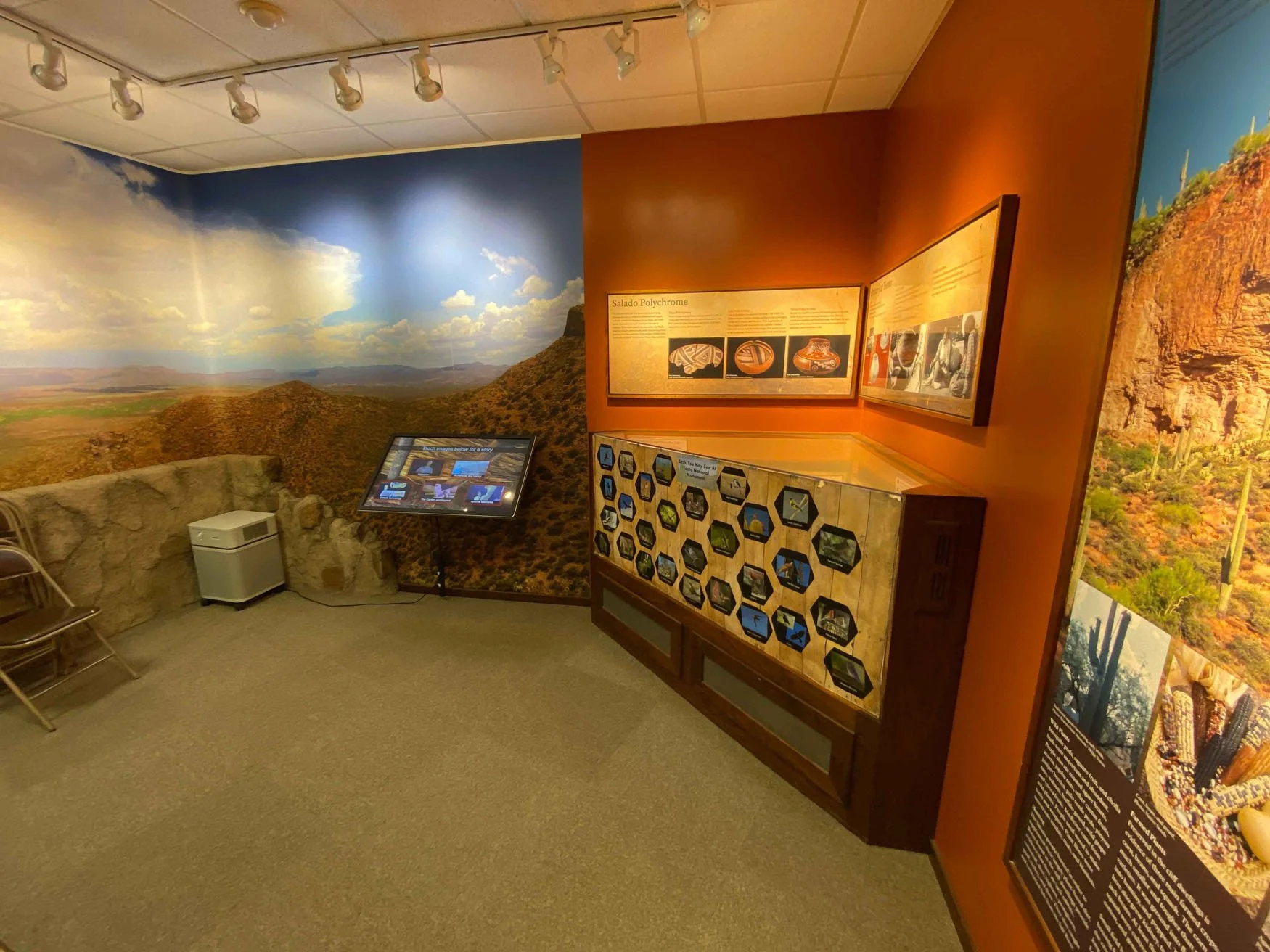
Tonto's lower cliff dwelling sits high above Roosevelt Lake—a landscape that holds both ancient and modern stories. A steep quarter-mile paved trail ascends from the visitor center to the dwelling, where rangers and volunteers greet you on site. Explore the Salado rooms, stand at the openings and look out at the lake and the canyon walls. This view encompasses centuries of change—the Salado's world, and the transformed landscape that water projects and time have created. The visitor center below houses a museum and exhibits. October through April offers the best conditions for the hike. After good winter and spring rains, wildflowers bloom throughout the monument. This is a place where you move at the pace of the trail, spend time in conversation with rangers and volunteers who know the dwelling and its story, and witness how landscape and culture intersect over time.
Donate
Help ADNPP support Tonto’s programs and community partnerships