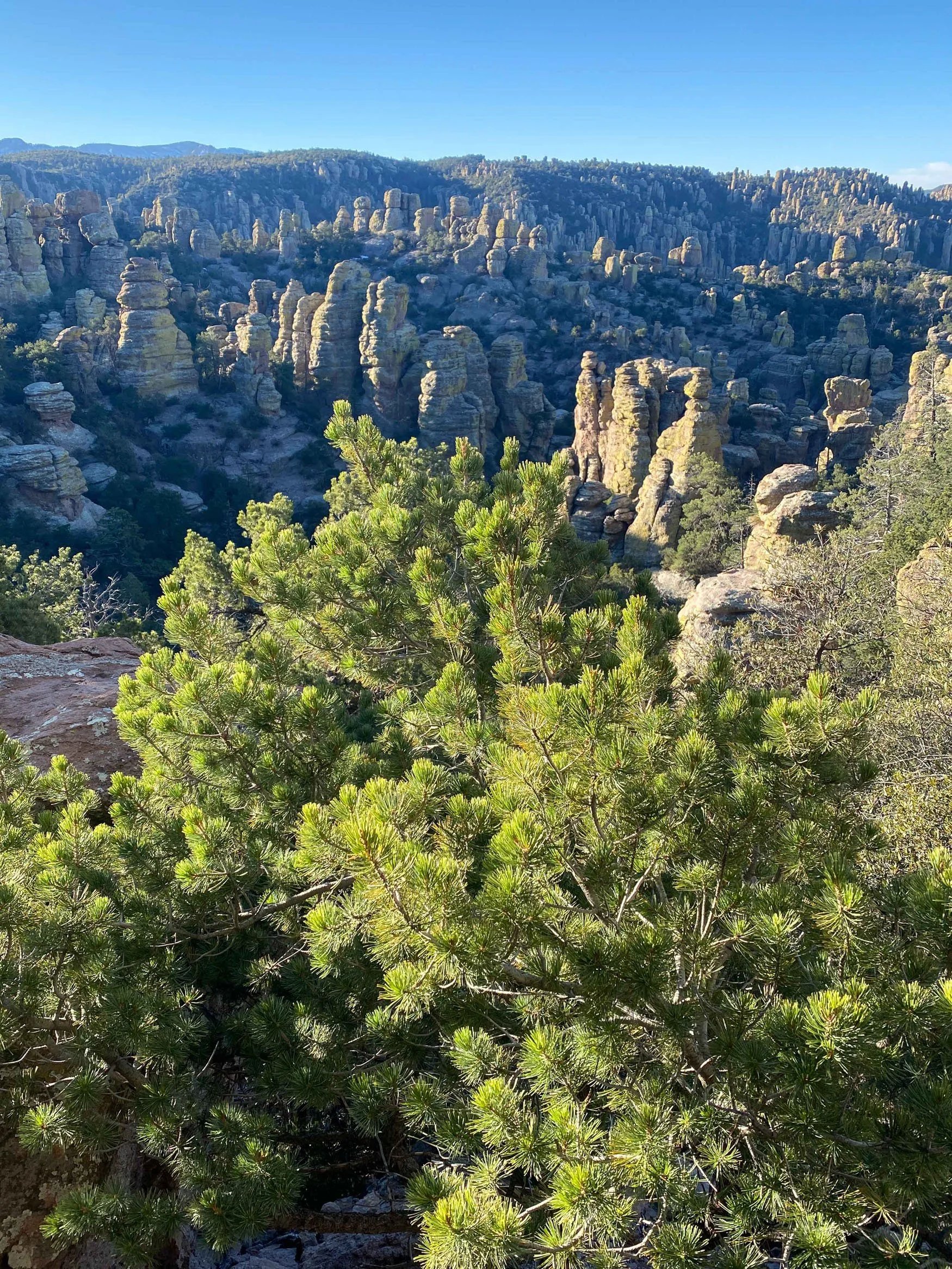
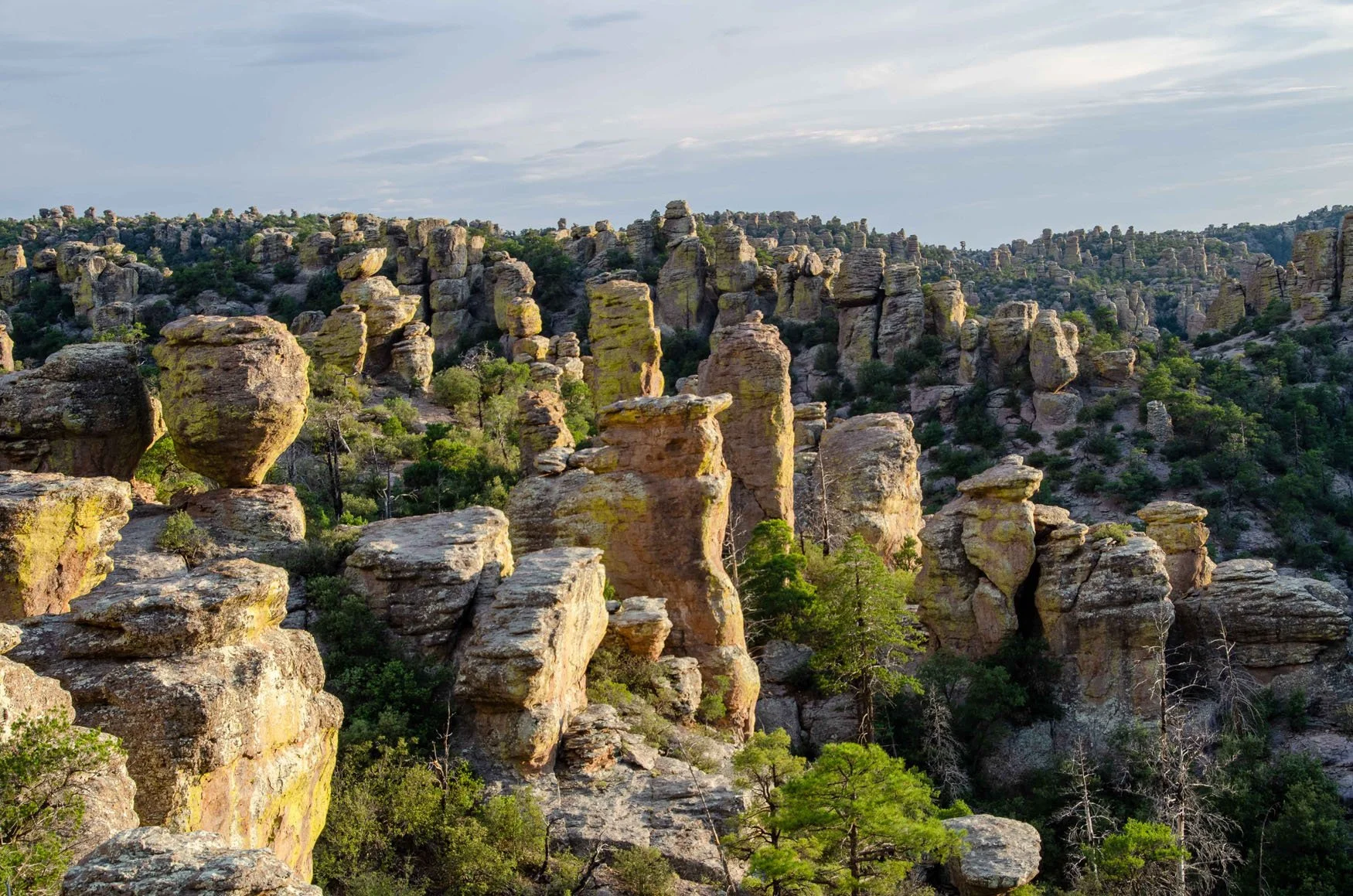
Impossible rock formations rise above a landscape of sacred significance—a place where geology, ecology, and cultural meaning converge.

Quick Facts
Nicknamed "Land of Standing-Up Rocks"
National Monument since 1924, designated by President Calvin Coolidge
Protects: Volcanic rock spires and canyons shaped by an eruption roughly 27 million years ago
The Story
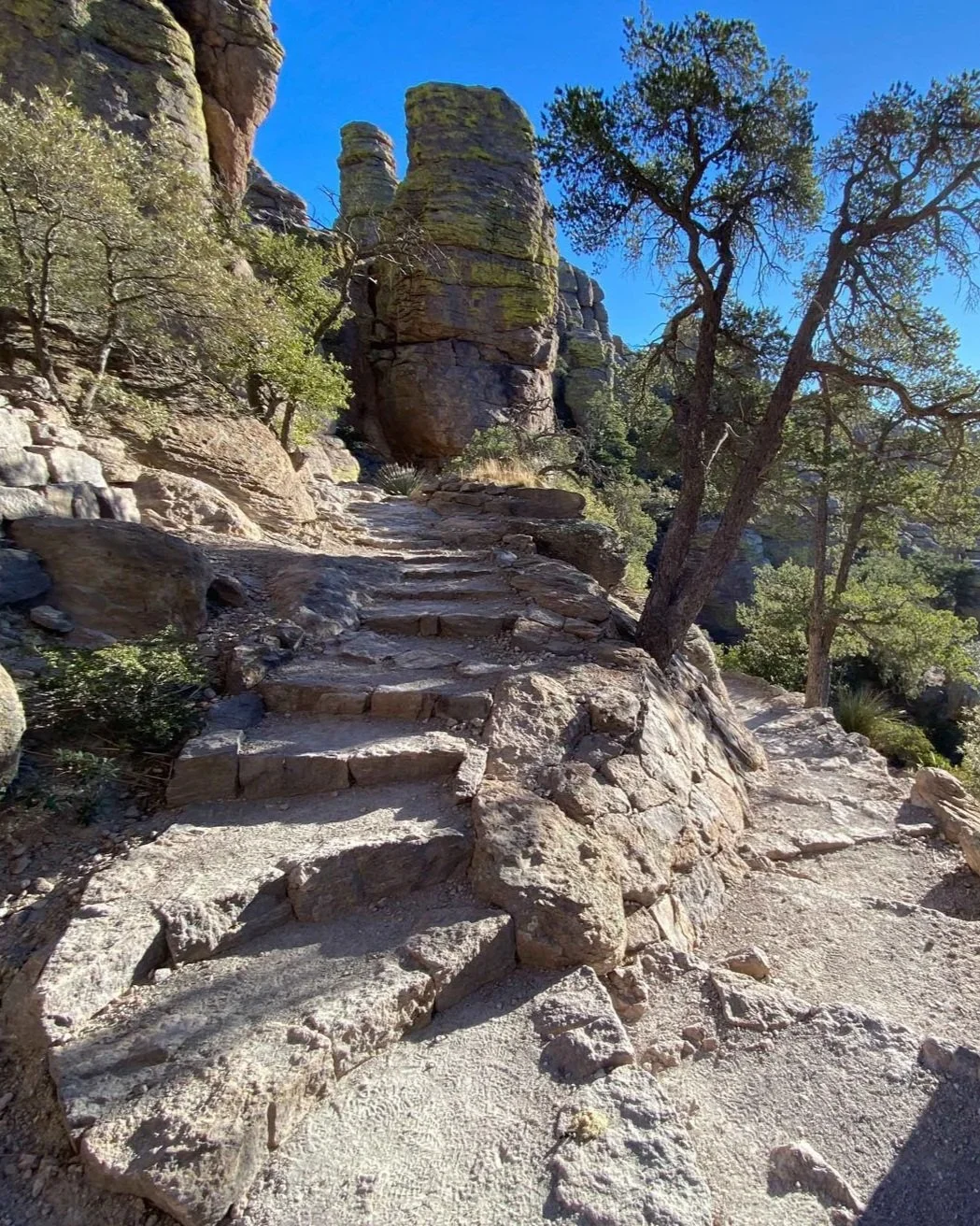
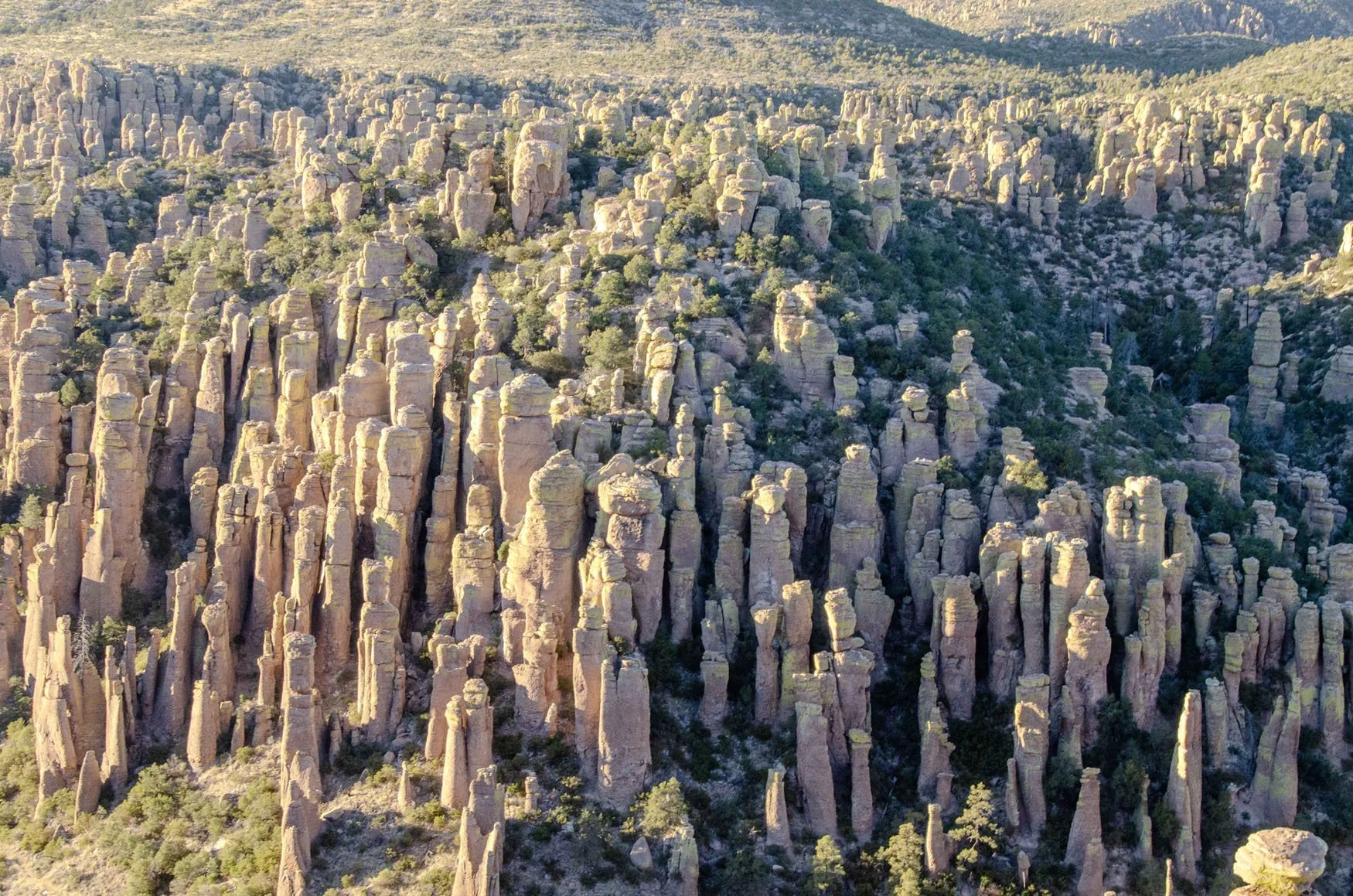
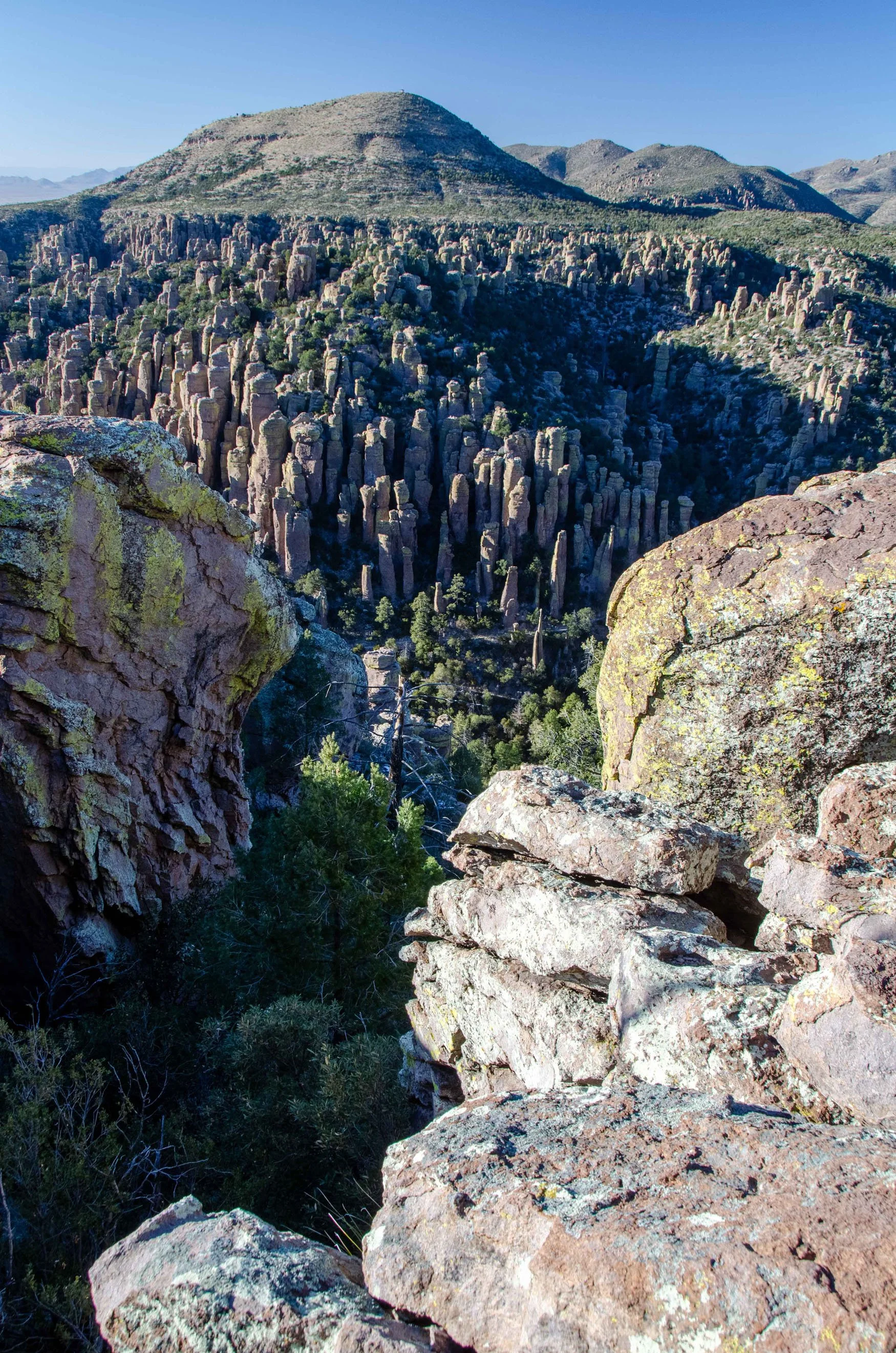
Dramatic volcanic formations shaped by 27 million years of erosion create a landscape of standing-up rocks, balanced formations, and narrow canyons. The monument's location supports exceptional biodiversity, including endangered species. Designated a national monument in 1924, it holds cultural significance to the Chiricahua Apache and offers abundant hiking, wildlife viewing, and scenic drives.
What We’re Doing
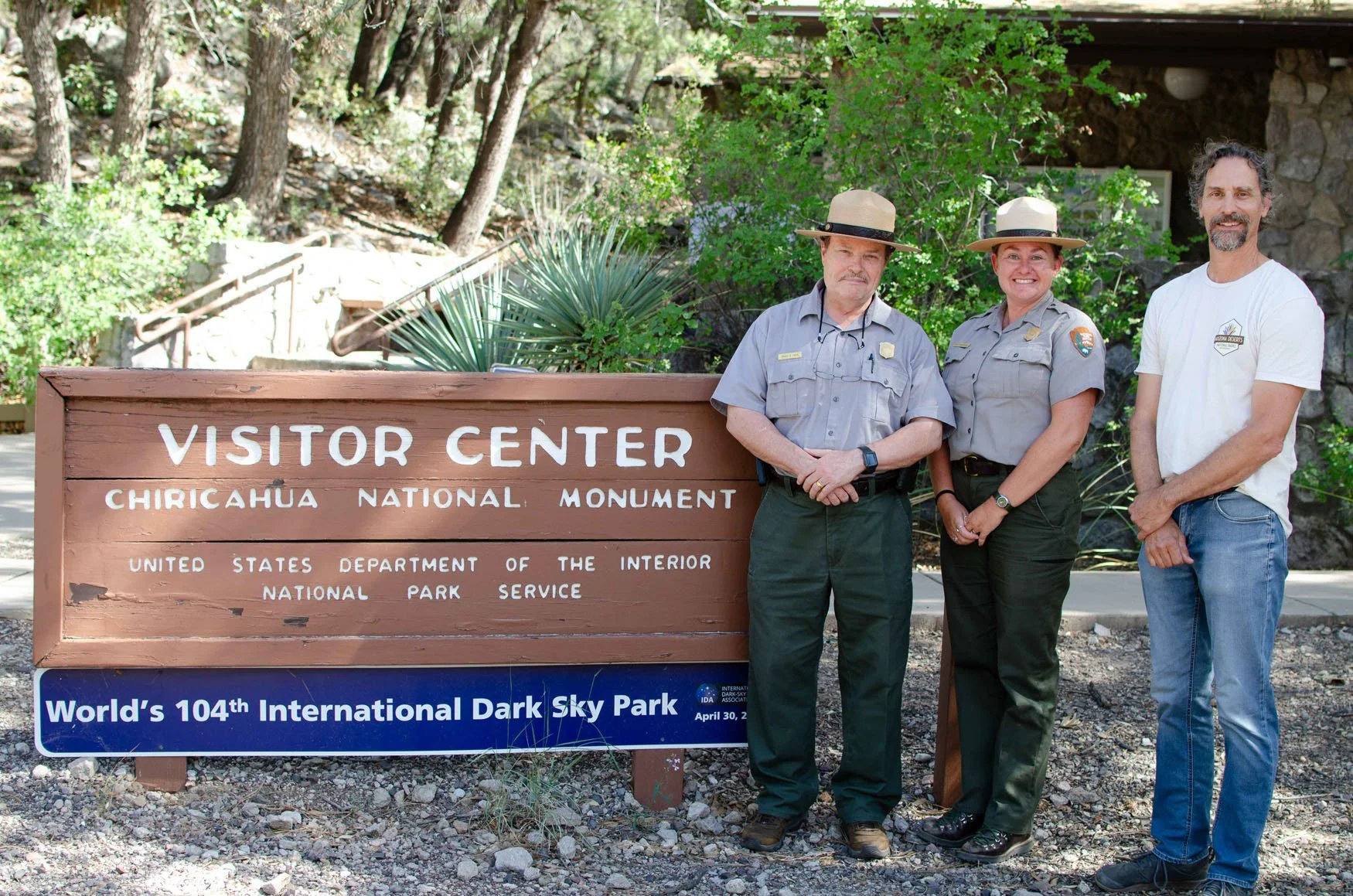
ADNPP is strengthening Chiricahua's connection to Cochise County schools through the Field Science Education Program, supporting teacher professional development and park-based learning for 250 students annually. We're also building relationships with elected officials and community partners to help address the park's broader capacity and funding needs.
Plan Your Visit
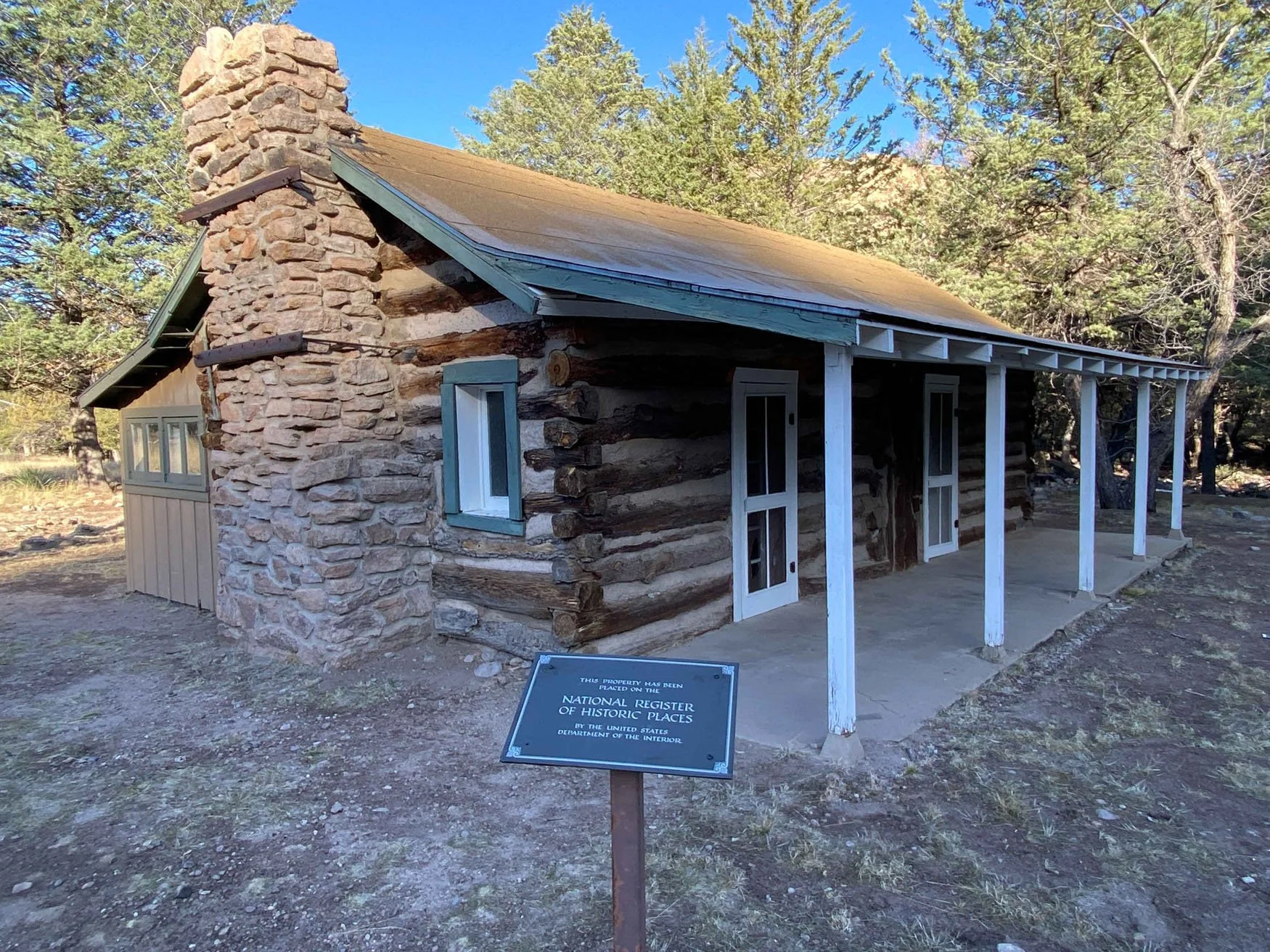
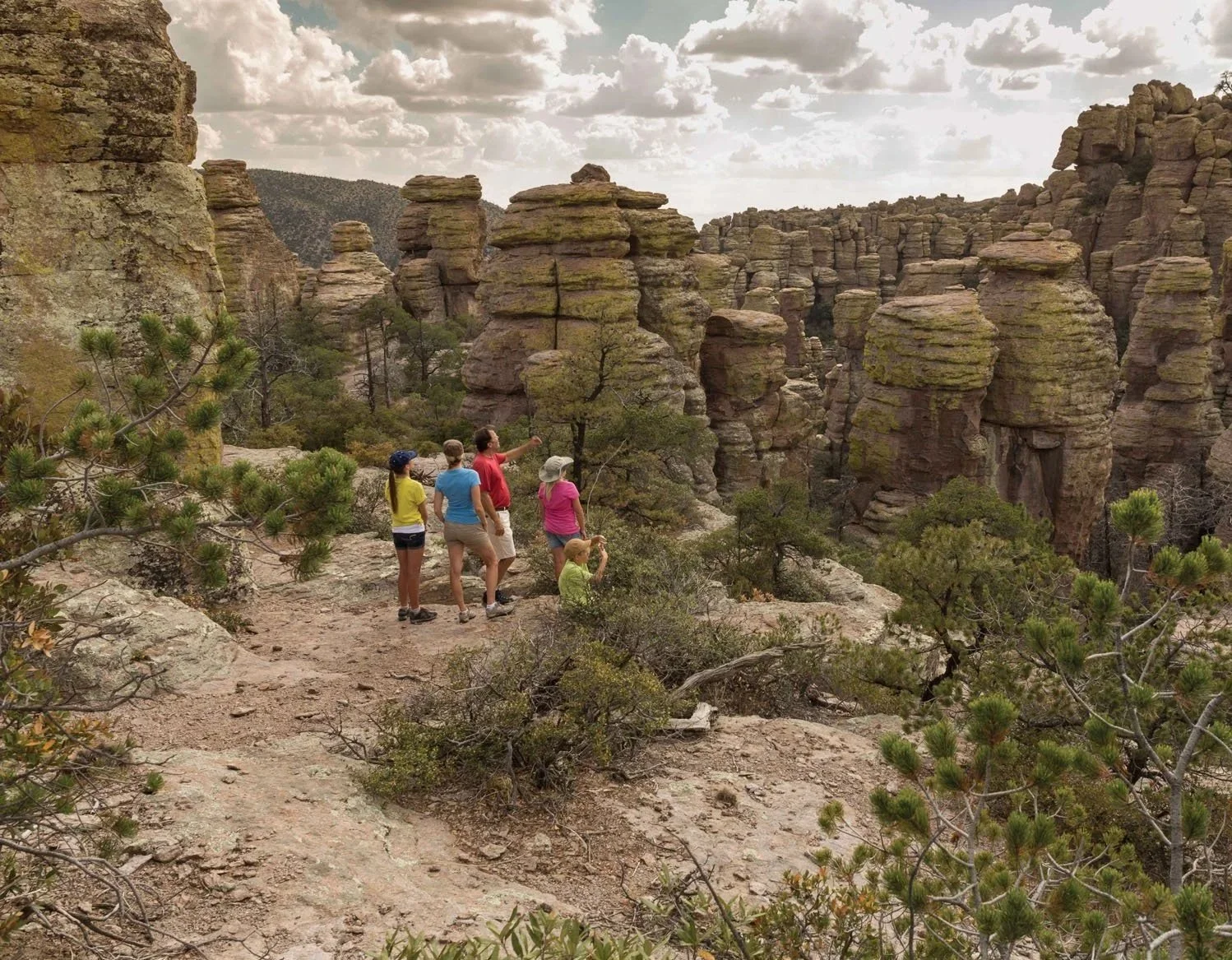
Chiricahua rewards exploration. Drive the scenic loop and pause at the vistas—each pullout frames a different angle of the monument's extraordinary rock formations. But to truly experience Chiricahua, step out and hike. The monument's trail system, largely built by the Civilian Conservation Corps in the 1930s, ranges from short walks to full-day adventures, each leading deeper into canyons and ridges sculpted by 27 million years of volcanic activity. These historic trails wind through formations and forest, built to last and still maintained with care. Bring binoculars: over 200 bird species live here, from Montezuma quail to zone-tailed hawks.
The best time to visit is October through April, when you can hike comfortably without the intensity of summer heat. Winter brings crisp mornings and the possibility of snow dusting the high country—a dramatically different Chiricahua that few visitors see. Summer monsoons arrive with force, transforming the landscape with sudden thunderstorms and waterfalls that cascade through the canyons. Time any visit for sunset—the formations shift through shades of gold and crimson as the day closes. Stay into the evening and you'll understand why Chiricahua is designated an International Dark Sky Park; the night sky here is as dramatic as the landscape below. Photographers, birders, and hikers find themselves returning again and again.
Chiricahua holds deep meaning for the Chiricahua Apache people, whose ancestors knew this landscape intimately. Visiting Chiricahua means standing in a place where geology, ecology, and human history intersect.
Donate
Help ADNPP support Chiricahua's education programs and community partnerships